
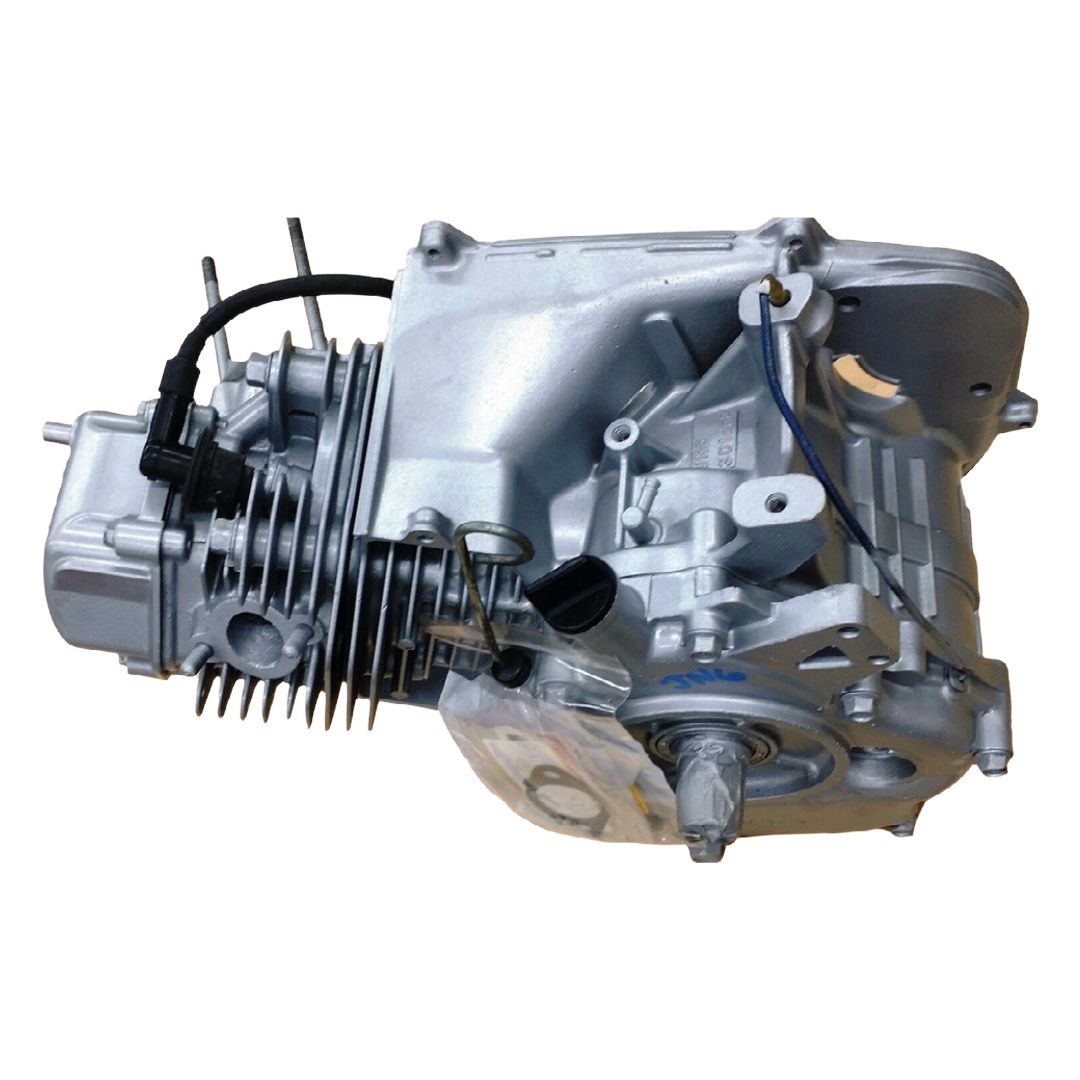

Description
Yamaha Golf Cart 301cc Engine Technical Component Analysis and Performance Insights
Understanding the intricate engineering of the Yamaha Golf Cart 301cc engine is essential for maximizing performance, reliability, and efficiency. This engine is not just a power source—it is a precisely engineered system built to deliver smooth, consistent performance under a variety of conditions.Yamaha Golf Cart 301cc Engine
Yamaha Golf Cart 301cc Engine Overview of the Engine Block and Cylinder Design
The engine block forms the foundation of any golf cart engine, and the 301cc engine block is no exception. Designed for durability and efficient heat dissipation, it ensures long-term reliability.
-
High-strength aluminum alloy block reduces weight while maintaining structural integrity
-
Precision-machined cylinder bore ensures minimal friction and optimal piston movement
-
Integrated cooling fins maximize airflow, supporting extended rides without overheating
Benefits of Advanced Cylinder Design
Cylinder design directly affects torque delivery, acceleration, and fuel efficiency. The 301cc engine incorporates:
-
Optimized bore-to-stroke ratio for balanced power output
-
Durable cylinder walls resistant to scoring or premature wear
-
Enhanced piston ring sealing for improved compression and combustion efficiency
Real-world insight: Riders notice smoother starts, quicker hill climbing, and less vibration due to precise cylinder engineering.

Pistons, Crankshaft, and Internal Mechanics
The internal components of the 301cc engine are meticulously designed for performance and longevity. Each part plays a role in translating fuel into reliable motion.
-
Forged aluminum pistons: lightweight yet highly durable
-
Precision-engineered crankshaft: smooth rotation minimizes energy loss
-
Balanced connecting rods: reduce vibration and stress on engine bearings
How Internal Mechanics Affect Ride Experience
Efficient internal mechanics improve both cart longevity and rider comfort. Key advantages include:
-
Consistent torque across low and mid-range speeds
-
Reduced engine noise and vibration for a quiet, comfortable ride
-
Improved fuel efficiency due to precise mechanical operation
Transition Insight: Moreover, these high-quality components reduce maintenance intervals, allowing owners to focus on enjoying their Yamaha Golf Cart.
Fuel Delivery System – Carburetor and EFI Options
Fuel delivery is critical for engine performance, and the 301cc engine provides both traditional carburetor and Electronic Fuel Injection (EFI) options. Each system is tailored for optimal combustion and efficiency.
-
Carburetor system: Simple, reliable, and easy to maintain
-
EFI system: Precise fuel control, improved starting performance, and reduced emissions
Advantages of EFI Over Carburetor
The EFI system offers noticeable improvements for riders seeking maximum efficiency:
-
Enhanced throttle response
-
Better fuel economy across all speeds
-
Reduced cold-start issues in various climates
-
Lower environmental impact due to cleaner combustion
Tip: EFI-equipped 301cc engines are ideal for golfers, resort operators, and fleet managers who demand consistent performance with minimal downtime.
Ignition System – Smooth Starts and Reliable Power
The ignition system of the 301cc engine ensures quick, consistent starts and efficient energy transfer. Yamaha’s engineering prioritizes reliability under all conditions.
-
Electronic ignition: reduces wear on components and ensures consistent spark
-
Durable spark plugs: engineered for high-temperature environments
-
Precision timing: optimized for fuel combustion and torque delivery
Rider Benefits of a Reliable Ignition System
A dependable ignition system translates to real-world convenience:
-
Instant engine starts with minimal effort
-
Smooth acceleration without stalling
-
Reduced maintenance costs due to long-life components
Transition Insight: Consequently, a well-designed ignition system enhances both the performance and lifespan of the 301cc engine.
Cooling System – Managing Heat for Optimal Efficiency
Effective cooling prevents overheating, reduces wear, and extends engine life. The 301cc engine uses a high-efficiency air-cooled system designed for all-terrain operation.
-
Cooling fins: maximize heat dissipation
-
Optimized airflow channels: maintain consistent engine temperature
-
Low-maintenance design: fewer components to service or replace
Benefits of Air-Cooled Engineering
Air-cooled engines provide several advantages for golf cart owners:
-
Reduced risk of overheating during extended rides
-
Simplified maintenance compared to liquid-cooled systems
-
Reliable performance in hot climates and hilly terrains
Pro Tip: Regularly clear debris from cooling fins to maintain optimal airflow and prevent temperature spikes.
Exhaust System – Efficiency Meets Quiet Performance
The exhaust system complements the 301cc engine’s power output while reducing noise and emissions. Yamaha designs the system to optimize both performance and environmental compliance.
-
Compact muffler design: minimizes engine noise
-
Corrosion-resistant materials: withstand moisture and debris exposure
-
Optimized flow: enhances torque delivery and reduces backpressure
Real-World Advantages
Riders immediately notice smoother acceleration and a quieter engine. Fleet operators benefit from environmentally compliant operation, which reduces community complaints and operational downtime.
Maintenance Insights – Keeping Your 301cc Engine in Peak Condition
Proper maintenance ensures long-term reliability and optimal performance. Yamaha recommends straightforward, user-friendly routines for all owners.
-
Oil changes every 200 hours or as specified in the manual
-
Air filter cleaning or replacement to prevent debris intake
-
Spark plug inspection to maintain consistent ignition
-
Periodic fuel system checks for both carburetor and EFI variants
-
Visual inspection of cooling fins and exhaust system
Transition Insight: Adhering to these maintenance steps not only extends engine life but also maintains fuel efficiency and rider comfort.
Real-World Use Cases – 301cc Engine in Action
The Yamaha 301cc engine is designed for versatility. Riders and operators immediately notice enhanced performance in practical scenarios:
-
Golf course operations: Smooth acceleration on hills and even terrain
-
Resorts and large properties: Reliable power for passenger shuttles and utility carts
-
Recreational use: Superior load handling and quiet operation for neighborhood rides
-
Fleet applications: Reduced downtime due to high reliability and simplified maintenance
Transition Insight: Furthermore, the 301cc engine integrates seamlessly with Yamaha’s G-series carts, offering owners a worry-free upgrade experience.
The Yamaha Golf Cart 301cc engine is engineered to offer unmatched performance and reliability. Beyond technical specifications, understanding its real-world advantages, compatibility, and maintenance requirements helps you make informed decisions.
Performance Comparison – 301cc vs Other Yamaha Engines
Choosing the right engine requires comparing key performance metrics. The 301cc engine stands out when evaluated against smaller and larger Yamaha engines.
250cc Engine Comparison
-
Power Output: The 301cc provides higher mid-range torque, enhancing hill-climbing and load handling.
-
Fuel Efficiency: Despite higher displacement, careful engineering keeps fuel consumption competitive.
-
Acceleration: Quicker response under load compared to the 250cc, providing smoother rides on inclines.
Transition Insight: While the 250cc engine is suitable for light-use golf carts, the 301cc excels in both recreational and professional environments.
350cc and Larger Engine Comparison
-
Power Management: Larger engines may offer more raw power but often sacrifice efficiency.
-
Weight and Handling: The 301cc engine maintains balance, preventing excess strain on the cart chassis.
-
Maintenance: Slightly simpler design reduces downtime and maintenance costs compared to some larger engines.
Key Takeaway: The 301cc engine strikes an ideal balance between power, efficiency, and durability, making it a versatile choice for a wide range of applications.
User Experiences – Real Riders, Real Feedback
Customer experiences provide invaluable insights into the 301cc engine’s performance. Users consistently highlight the following advantages:
-
Smooth acceleration: Immediate responsiveness without stalling
-
Quiet operation: Reduced engine noise for a more enjoyable ride
-
Reliable hill performance: Handles heavy loads and inclines effortlessly
-
Low maintenance demands: Simple routines and durable components
Testimonials
-
Golf Course Manager:
“Upgrading to the 301cc engine transformed our fleet. The carts handle hills smoothly, and we’ve seen less downtime compared to our older engines.” -
Resort Operator:
“Our guests love the quiet, smooth rides. The EFI version ensures consistent performance even in hot weather.” -
Recreational User:
“I use my cart daily for errands around my property. The 301cc engine feels responsive, powerful, and very reliable.”
Transition Insight: Positive real-world experiences confirm that this engine delivers both performance and long-term value.
Installation and Upgrade Guidance
Installing or upgrading to the Yamaha Golf Cart 301cc engine requires careful attention to compatibility and safety. The process is straightforward for experienced technicians and manageable for DIY enthusiasts with proper guidance.
Pre-Installation Considerations
-
Verify cart model compatibility with Yamaha G-series models
-
Check mounting brackets and engine bay dimensions
-
Ensure fuel system compatibility (EFI or carburetor)
-
Prepare necessary tools and safety equipment
Step-by-Step Installation
-
Remove the existing engine carefully, disconnecting all fuel, electrical, and mounting connections.
-
Inspect the engine bay for wear or debris, ensuring a clean and secure environment.
-
Install the 301cc engine, aligning mounting brackets and bolting securely.
-
Connect fuel and electrical systems, ensuring all hoses, wires, and connectors are properly seated.
-
Check all fluid levels and verify that the cooling system and ignition system are operational.
-
Test the engine at idle, gradually increasing throttle to confirm smooth operation and proper torque delivery.
Pro Tip: Always follow Yamaha’s official installation guidelines to preserve warranty and ensure optimal performance.
Yamaha Golf Cart 301cc Engine Troubleshooting and Maintenance Tips
Even the most reliable engines benefit from proactive troubleshooting and routine maintenance. The 301cc engine comes with user-friendly diagnostics and service guidance.
Common Issues and Solutions
-
Difficulty Starting: Check ignition timing, spark plugs, and EFI system if applicable.
-
Overheating: Ensure cooling fins are clean and unobstructed; verify proper airflow.
-
Reduced Power: Inspect air filters, carburetor or EFI fuel delivery, and spark plug condition.
-
Unusual Noise or Vibration: Examine pistons, crankshaft, and mounting brackets for wear or looseness.
Yamaha Golf Cart 301cc Engine Routine Maintenance
-
Oil Changes: Every 200 hours or per Yamaha recommendations
-
Air Filter Maintenance: Clean or replace as needed for optimal airflow
-
Spark Plug Replacement: Every season or as performance dictates
-
Fuel System Check: Inspect hoses, filters, and EFI components
-
Cooling System Inspection: Clear debris from fins and airflow channels
Transition Insight: Regular maintenance ensures your engine operates at peak performance, prolongs lifespan, and reduces unexpected repair costs.Yamaha Golf Cart 301cc Engine
Real-World Applications – Maximizing the 301cc Engine
The Yamaha Golf Cart 301cc engine is versatile, performing exceptionally across diverse settings.
-
Golf Courses: Smooth acceleration and hill handling improve pace-of-play.
-
Resorts and Hotels: Reliable power supports guest transportation and staff operations.
-
Neighborhood and Recreational Use: Quiet and smooth performance enhances comfort.
-
Fleet Management: Reduced downtime and simplified maintenance streamline operations.
Key Insight: Understanding the engine’s real-world applications helps users leverage its full potential, making it a long-term investment in reliability and convenience.
Yamaha Golf Cart 301cc Engine Safety and Environmental Considerations
Yamaha designs the 301cc engine with safety and environmental responsibility in mind:
-
Reduced Emissions: EFI variants support cleaner combustion.
-
Engine Safety Features: Durable construction reduces risk of leaks, overheating, or component failure.
-
Noise Reduction: Muffler design minimizes operational noise, improving community and guest experience.
-
Sustainable Maintenance Practices: Use of genuine Yamaha parts extends life and reduces waste.
Pro Tip: Regular safety checks ensure safe, eco-friendly operation and prolong engine performance.
Yamaha Golf Cart 301cc Engine Engine Component Engineering – Precision Design for Reliability
The Yamaha 301cc engine incorporates precision engineering to ensure longevity, efficiency, and performance across all terrains.
-
Aluminum Engine Block: Lightweight yet durable, reduces overall cart weight and enhances handling.
-
High-Strength Pistons: Forged aluminum pistons withstand heat and pressure for extended engine life.
-
Crankshaft Assembly: Precision-balanced for smooth rotation, reducing vibrations and energy loss.
-
Cylinder Head Design: Optimized for airflow and fuel combustion efficiency.
Performance Advantages of Engine Component Engineering
-
Durability: High-quality materials resist wear and corrosion, extending lifespan.
-
Smooth Operation: Reduced internal friction ensures quieter, smoother rides.
-
Optimized Torque Delivery: Cylinder and piston design maximize low- and mid-range torque.
-
Reduced Maintenance: Fewer failures and wear points decrease repair frequency.
Transition Insight: Each component interacts seamlessly, translating raw engineering into tangible performance benefits on the course or trail.
Airflow and Combustion Optimization
Airflow management and combustion efficiency are central to the 301cc engine’s superior performance. Yamaha’s engineers carefully calibrate intake and exhaust systems for maximum power delivery.
-
Precision Air Filter Design: Ensures clean, consistent airflow into the combustion chamber.
-
Intake Port Optimization: Enhances volumetric efficiency and engine responsiveness.
-
Exhaust Flow Engineering: Reduces backpressure and enhances torque delivery.
Real-World Impact of Airflow Optimization
-
Faster throttle response for quick maneuvering
-
Improved fuel efficiency during variable speed operation
-
Smoother engine performance under load
Tip: Regular cleaning or replacement of the air filter preserves optimal airflow and maintains peak efficiency.
Ignition and Timing Systems – Maximizing Combustion Efficiency
Ignition precision is vital for fuel efficiency and torque. The 301cc engine integrates advanced timing systems for consistent, high-performance combustion.
-
Electronic Ignition: Reduces wear and provides reliable spark delivery.
-
Optimized Timing Curves: Ensure peak torque and smooth acceleration.
-
Durable Spark Plugs: Long-life components maintain ignition quality across all conditions.
Yamaha Golf Cart 301cc Engine Benefits for Riders
-
Smooth starts even in cold or humid conditions
-
Reduced fuel consumption through efficient combustion
-
Lower emissions and quieter operation
Transition Insight: Proper ignition management not only enhances performance but also prolongs component life.golf cart dealerships
Cooling System Engineering – Maintaining Peak Performance
The air-cooled 301cc engine is designed to manage heat efficiently while minimizing maintenance demands.
-
Cooling Fin Placement: Maximizes heat dissipation from cylinder walls and head.
-
Airflow Channels: Direct cool air efficiently around critical components.
-
Heat-Resistant Materials: Protect against warping or degradation under high temperatures.
Yamaha Golf Cart 301cc Engine Performance Advantages
-
Reduced risk of overheating during extended or uphill operation
-
Enhanced engine longevity through consistent operating temperatures
-
Minimal maintenance requirements compared to liquid-cooled alternatives
Pro Tip: Keep fins clean and clear of debris to maintain optimal cooling efficiency.
Advanced Maintenance Strategies
Optimizing engine performance requires proactive, structured maintenance beyond standard care routines.
-
Oil Analysis: Monitor engine oil quality to anticipate wear or contamination.
-
Compression Testing: Periodically assess piston and cylinder condition for optimal performance.
-
Fuel System Inspection: Ensure EFI injectors or carburetors remain clean for consistent power delivery.
-
Spark Plug Gap Checks: Maintain precise ignition timing and combustion efficiency.
-
Cooling System Checks: Inspect fins, airflow, and temperature stability.
Long-Term Benefits
-
Extended engine lifespan
-
Sustained fuel efficiency
-
Reduced unexpected downtime and repair costs
-
Improved resale value of the cart
Transition Insight: Following advanced maintenance protocols keeps the 301cc engine operating at peak performance year after year.
Performance Enhancements and Upgrades
Owners can further optimize the Yamaha 301cc engine with careful enhancements:
-
EFI Tuning: Adjust fuel mapping for specific usage conditions or load requirements.
-
Performance Air Filters: Upgrade to higher-flow designs for improved throttle response.
-
Exhaust Modifications: Optimize flow without compromising noise or emission compliance.
-
Ignition System Upgrades: High-performance coils or spark plugs for consistent power under extreme conditions.
Yamaha Golf Cart 301cc Engine Practical Applications
-
Golf Courses: Faster response and efficient power delivery improve pace-of-play.
-
Resorts: Increased reliability under frequent usage and load.
-
Recreational Riders: Enhanced acceleration and smoother rides for neighborhood use.
-
Fleet Operators: Upgrades reduce downtime and maintenance frequency.
Tip: Always consult Yamaha-certified technicians for modifications to preserve warranty and engine integrity.
Yamaha Golf Cart 301cc Engine Troubleshooting Advanced Performance Issues
Even optimized engines may experience occasional performance variations. Common issues and solutions include:
-
Engine Hesitation Under Load: Inspect fuel delivery, air intake, and spark timing.
-
Reduced Torque or Acceleration: Check internal components, including pistons, crankshaft, and connecting rods.
-
Overheating: Verify cooling fins, airflow, and possible debris obstruction.
-
Irregular Noise or Vibration: Inspect mounts, bearings, and crankshaft alignment.
Transition Insight: Proactive troubleshooting prevents minor issues from escalating into costly repairs.
Optimization Tips for Maximum Efficiency
To achieve the best performance and longevity from the 301cc engine:
-
Follow Scheduled Maintenance: Oil, filters, spark plugs, and fuel system inspections.
-
Use Genuine Yamaha Parts: Preserves engine integrity and performance.
-
Monitor Load and Usage: Avoid exceeding the cart’s design limits regularly.
-
Maintain Proper Tire Pressure: Reduces engine strain and improves overall efficiency.
-
Seasonal Checks: Inspect cooling system, ignition, and fuel components for seasonal performance variations.
Yamaha G-series engine Real-World Benefits
-
Improved power delivery for hilly or uneven terrain
-
Enhanced fuel efficiency and reduced operational cost
-
Smoother and quieter ride for passengers
-
Extended engine lifespan and fewer repairs
Installation Guidance – Step-by-Step Process
Proper installation of the 301cc engine guarantees reliability and safety. Whether upgrading an older Yamaha G-series cart or replacing a worn engine, following precise steps ensures optimal performance.Yamaha G-series engine
Pre-Installation Preparations
-
Verify your cart model is compatible with the 301cc engine.
-
Ensure mounting brackets, engine bay dimensions, and fuel system connections are suitable.
-
Gather all necessary tools including wrenches, torque specifications, and safety gear.
-
Review Yamaha’s official installation manual for model-specific instructions.
Detailed Installation Steps
-
Remove the Old Engine: Carefully disconnect fuel lines, electrical connections, and mounting bolts.
-
Inspect the Engine Bay: Ensure no debris, corrosion, or damage that could affect installation.
-
Install the 301cc Engine: Align mounting brackets and secure bolts according to torque specifications.
-
Connect Fuel and Electrical Systems: Attach fuel lines, EFI or carburetor systems, and ignition wiring.
-
Check Fluids: Verify oil, coolant (if applicable), and fuel levels are correct.
-
Initial Start-Up Test: Start the engine at idle, observing for smooth operation and proper torque response.
-
Final Adjustments: Adjust throttle, fuel settings, or EFI mapping as necessary for optimal performance.
Pro Tip: Always perform a safety check after installation, ensuring all fasteners, hoses, and electrical connections are secure before operation.
Compatibility Considerations
The 301cc engine is designed to integrate with a wide range of Yamaha G-series carts, but certain compatibility factors must be considered:
-
Cart Model: Verify G-series model designation (G1, G2, G29, etc.) for proper fit.
-
Transmission Type: Ensure engine torque and RPM ranges match the cart’s transmission system.
-
Fuel System: EFI or carburetor models must align with cart infrastructure.
-
Battery and Electrical System: Confirm voltage and capacity support ignition and EFI (if applicable).
Practical Tips for Compatibility
-
Consult Yamaha’s official specifications to confirm part numbers.
-
For custom carts, ensure adapter plates or mounting modifications maintain structural integrity.
-
Avoid forcing the engine into incompatible models to prevent damage or safety hazards.
Transition Insight: Compatibility ensures optimal engine performance, reliability, and safety during everyday operation.
Advanced Performance Testing
Once installed, the 301cc engine’s performance can be verified using practical testing methods to ensure it meets operational expectations.
Key Performance Metrics
-
Acceleration: Smooth response from a stationary position and under load.
-
Torque: Consistent power delivery for inclines or carrying heavy loads.
-
Fuel Efficiency: Assess fuel consumption over extended operation.
-
Noise Levels: Evaluate engine sound for rider comfort and compliance with regulations.
Testing Procedures
-
Initial Idle Test: Check engine smoothness, vibration levels, and ignition response.
-
Load Test: Operate the cart under typical load conditions, monitoring torque and fuel efficiency.
-
Hill Test: Ascend inclines to evaluate engine torque and responsiveness.
-
Extended Operation Test: Simulate prolonged usage to assess cooling, efficiency, and reliability.
Tip: Document performance metrics for future reference, maintenance scheduling, and fleet management optimization.
Real-World User Scenarios
Understanding practical applications helps maximize the 301cc engine’s potential in everyday use.
Golf Course Operations
-
Efficiency: Smooth acceleration ensures consistent pace-of-play.
-
Load Handling: Supports golf bags, passengers, and equipment without lag.
-
Quiet Operation: Minimal noise reduces disruption to players.
Resort and Hotel Transportation
-
Reliability: Frequent starts and stops handled efficiently by EFI or carburetor systems.
-
Comfort: Smooth ride improves guest satisfaction.
-
Durability: Extended operational hours with minimal maintenance interruptions.
Recreational Use
-
Versatility: Handles neighborhood, trail, or private property terrains.
-
Quiet Performance: Ideal for community-friendly operation.
-
Load Capacity: Supports passengers, gear, and small cargo with ease.
Fleet Management
-
Reduced Downtime: Advanced engineering and maintenance routines minimize failures.
-
Performance Consistency: Engines operate reliably across multiple carts in diverse conditions.
-
Ease of Maintenance: Simplified procedures allow technicians to service multiple units efficiently.
Transition Insight: These scenarios demonstrate how the 301cc engine adapts to diverse environments, making it a flexible and high-value choice for both individual and professional users.4 seat golf carts
Yamaha Golf Cart 301cc Engine Advanced Troubleshooting
Even well-maintained engines occasionally require troubleshooting. The 301cc engine incorporates user-friendly diagnostics and repair strategies:
Common Issues
-
Power Loss Under Load: Inspect fuel delivery, throttle linkage, and spark plugs.
-
Overheating: Check cooling fins, airflow, and debris accumulation.
-
Engine Noise or Vibration: Examine crankshaft balance, mounting bolts, and internal components.
-
Starting Issues: Verify ignition timing, spark quality, and fuel system integrity.
Proactive Solutions
-
Schedule routine maintenance checks to prevent unexpected failures.
-
Keep a record of performance metrics to detect gradual performance decline.
-
Replace wearable components (spark plugs, air filters, fuel filters) on schedule.
Tip: Advanced troubleshooting prevents minor issues from escalating, protecting both engine performance and cart longevity.
Yamaha Golf Cart 301cc Engine Optimization and Efficiency Tips
Maximizing the Yamaha 301cc engine requires attention to both usage practices and mechanical tuning:
-
Load Management: Avoid exceeding recommended passenger or cargo limits regularly.
-
Throttle Control: Smooth operation preserves engine components and enhances fuel efficiency.
-
Regular Maintenance: Adhere to oil changes, air filter replacement, and spark plug checks.
-
Seasonal Adjustments: Adjust fuel system settings, cooling checks, and ignition timing for extreme weather conditions.
Yamaha Golf Cart 301cc Engine Benefits of Optimization
-
Extended engine lifespan
-
Consistent torque and acceleration performance
-
Reduced fuel consumption
-
Quieter, smoother operation for riders
-
Lower overall maintenance costs
Related products
-
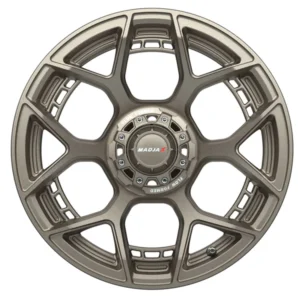
MadJax Flow Form Evolution Wheel – Matte Bronze SET 4
$530.00Select options This product has multiple variants. The options may be chosen on the product page -
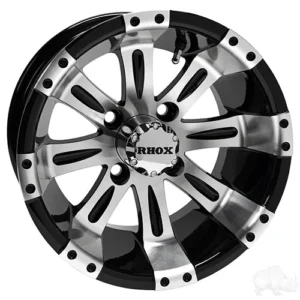
RHOX Vegas – Machined Center Cap Set 4
$400.00Select options This product has multiple variants. The options may be chosen on the product page -
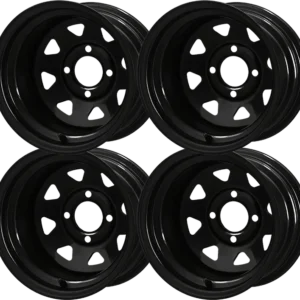
SCG Steel Wheel Set 4
$150.00Select options This product has multiple variants. The options may be chosen on the product page -