$700.00
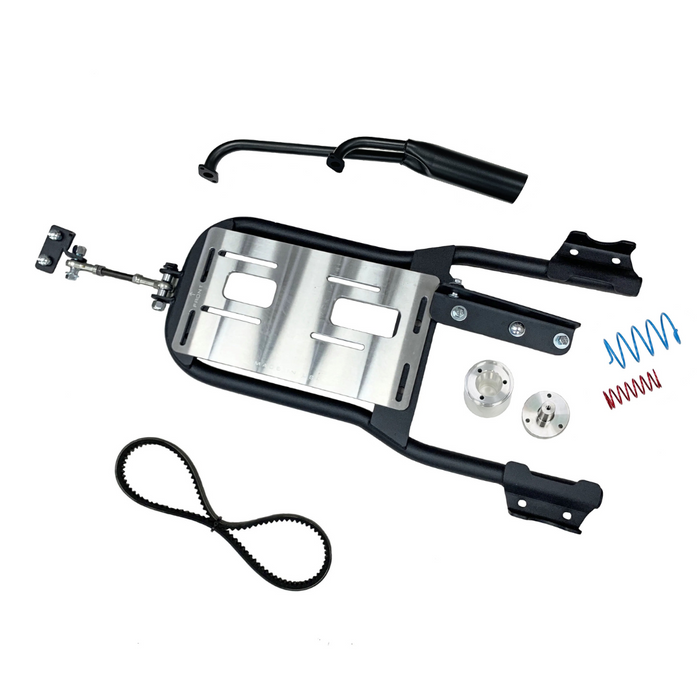
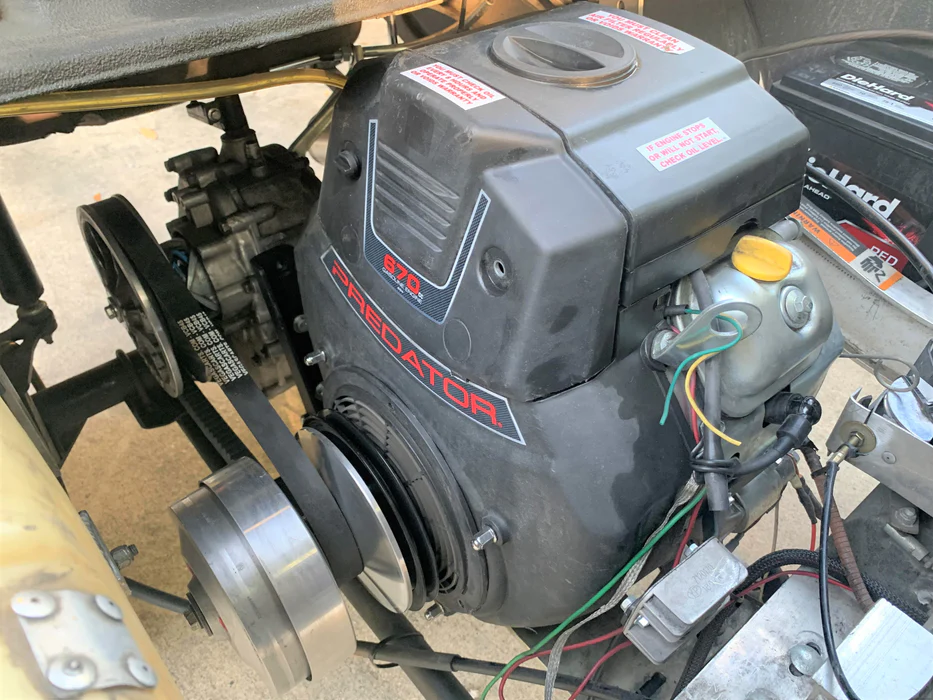
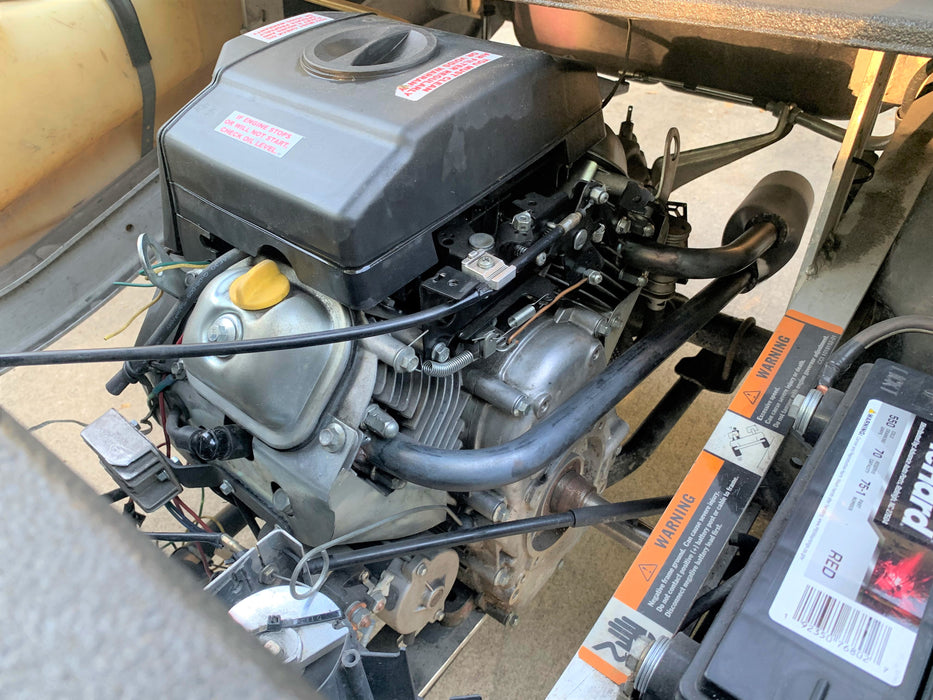
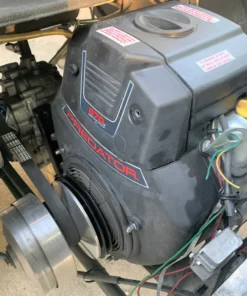
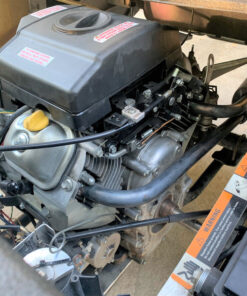
Performance expectations across the golf cart market have evolved significantly over time. Greater reliability, stronger torque delivery, and improved long-term serviceability are now being prioritized by owners, fleet managers, and performance enthusiasts alike. As a result, conversion solutions designed to modernize legacy platforms are being actively sought. Within this context, the Club Car 1997–2013 Conversion Kit – Fits Predator (670cc) Engines has been positioned as a purpose-built solution for upgrading aging Club Car vehicles with a powerful and dependable Predator engine platform.
Designed to bridge the gap between original equipment limitations and modern engine performance standards, this conversion kit has been engineered to support seamless integration, long-term durability, and consistent operational output. Compatibility across multiple Club Car model years has been carefully addressed, while installation efficiency has been prioritized to reduce unnecessary modification requirements. Through this approach, a conversion pathway has been made accessible to a broad range of users.
In many cases, factory-installed engines found in Club Car vehicles manufactured between 1997 and 2013 have reached the end of their practical service life. Wear accumulation, reduced compression efficiency, increasing maintenance costs, and limited parts availability have frequently been reported. Under such conditions, replacement rather than repair is often considered the more economically sound decision.
Rather than investing in costly OEM replacements with dated performance characteristics, a modern engine conversion is frequently selected. Through the use of a Predator (670cc) engine, significantly improved power output and reliability can be achieved. When paired with a properly engineered conversion kit, compatibility concerns are minimized and performance gains are realized without compromising driveline integrity.
By utilizing the Club Car 1997–2013 Conversion Kit – Fits Predator (670cc) Engines, a comprehensive mechanical interface solution is provided. Engine alignment, mounting stability, and drivetrain compatibility are addressed through precision-designed components rather than improvised fabrication.
Model-year specificity plays a critical role in successful engine conversions. Structural variations, mounting geometry changes, and drivetrain configuration differences exist across generations of golf carts. For this reason, universal conversion solutions often introduce fitment issues and long-term reliability concerns.
With this conversion kit, model-year alignment has been intentionally targeted. Club Car vehicles manufactured between 1997 and 2013 have been accounted for during the design and development process. Frame architecture, engine bay dimensions, and factory mounting points have been evaluated to ensure compatibility.
As a result, unnecessary drilling, welding, or frame modification has been largely eliminated. Installation predictability has been improved, and long-term structural integrity has been preserved.
The Predator 670cc engine platform has been widely recognized for its balance of power output, availability, and cost efficiency. Within recreational vehicle conversions, it has been favored due to its V-twin configuration, air-cooled design, and robust torque characteristics.
When integrated using a dedicated conversion kit, the Predator engine’s advantages can be fully realized. Throttle response improvements, hill-climbing capability increases, and load-handling performance enhancements are commonly achieved. Through proper mounting and alignment, drivetrain stress is managed effectively.
This conversion kit has been engineered to support the Predator (670cc) engine without requiring custom fabrication. Mounting plates, hardware interfaces, and spacing tolerances have been designed to align precisely with both the engine and the Club Car chassis.
Improvised engine swaps frequently introduce unforeseen complications. Misaligned pulleys, excessive vibration, belt wear, and premature bearing failure are often reported when non-engineered solutions are used. To address these risks, a purpose-built kit offers controlled geometry and tested fitment.
The following advantages are delivered through the Club Car 1997–2013 Conversion Kit – Fits Predator (670cc) Engines:
Precise engine mounting alignment
Reduced vibration transmission
Optimized belt and clutch engagement geometry
Improved drivetrain longevity
Consistent performance output across operating conditions
By ensuring that all critical interfaces have been addressed during design, installation errors are reduced and long-term performance stability is improved.
Technical precision is essential when engine conversions are evaluated for long-term reliability. For this reason, the Club Car 1997–2013 Conversion Kit – Fits Predator (670cc) Engines has been engineered with exact tolerances, application-specific geometry, and material durability as core design priorities. Rather than relying on generalized mounting solutions, this kit has been constructed to interface correctly with both the Club Car chassis and the Predator engine platform.
Through this approach, predictable installation outcomes and consistent performance characteristics are achieved. Additionally, unnecessary stress on drivetrain components is avoided, thereby supporting extended service life.
Before installation decisions are finalized, a clear understanding of technical specifications is typically required. Therefore, the following overview has been provided to support informed purchasing and planning.
Vehicle Compatibility:
Club Car golf carts manufactured between 1997 and 2013
Engine Compatibility:
Predator 670cc V-Twin gasoline engine
Mounting System:
Vehicle-specific, engine-aligned steel mounting architecture
Material Construction:
Heavy-duty steel with corrosion-resistant finish
Drivetrain Interface:
Designed to maintain factory-style belt and clutch alignment
Modification Requirement:
Minimal permanent vehicle modification required
Intended Use:
Recreational, utility, off-road, and fleet applications
By maintaining tight control over these specifications, installation complexity is reduced and mechanical integrity is preserved.
Every component included within the conversion kit serves a defined mechanical purpose. Instead of bundled generic parts, application-specific pieces have been selected to ensure compatibility and performance consistency.
Engine mounting plate assembly
Engine alignment is maintained while vibration transfer is reduced.
Frame interface brackets
Factory mounting points are utilized where applicable to preserve chassis integrity.
Reinforcement hardware set
Load distribution is stabilized under increased torque output.
Engine spacing and alignment hardware
Proper pulley and clutch geometry is preserved.
Installation fasteners and hardware
Grade-rated fasteners are supplied to support long-term durability.
Each component has been designed to work cohesively, eliminating the need for third-party fabrication or improvised spacing solutions.
Engine mounting geometry plays a decisive role in drivetrain performance. When alignment is incorrect, premature belt wear, vibration, and bearing failure are commonly observed. To address these risks, this conversion kit has been engineered with controlled tolerances.
Rather than positioning the engine based solely on physical fit, rotational alignment and load vector management have been considered. Consequently, torque transfer is balanced and mechanical stress is distributed evenly across mounting points.
Through this engineered approach, both short-term performance and long-term reliability are supported.
While installation complexity varies by experience level, the overall workflow has been structured for predictability. Each installation phase builds logically upon the previous step, reducing the likelihood of misalignment or rework.
Removal of the existing factory engine
Preparation of the engine bay and mounting surfaces
Installation of conversion mounting components
Predator (670cc) engine placement and alignment
Drivetrain interface connection
Final inspection and operational testing
Because vehicle-specific mounting points are utilized, installation time is reduced when compared to custom-fabricated conversions.
Inclusive design principles have been applied so that multiple user profiles can successfully complete installation. While professional mechanics may complete the process efficiently, mechanically inclined owners are also supported.
DIY installers benefit from reduced fabrication requirements
Professional shops gain predictable labor time estimates
Fleet maintenance teams can standardize engine replacements
Clear component fitment and logical installation sequencing contribute to reduced downtime.
The Predator 670cc engine delivers significantly higher torque output than many factory-installed Club Car engines. Because of this increase, drivetrain interface accuracy becomes essential.
This conversion kit has been designed to integrate the Predator engine while maintaining appropriate belt tension and clutch engagement angles. As a result, excessive heat buildup and belt slippage are minimized.
Airflow considerations have also been evaluated. Sufficient clearance is provided to support cooling efficiency without requiring extensive body modification.
One of the most common failure points in engine swaps involves belt misalignment. For this reason, pulley geometry has been prioritized during kit development.
By maintaining correct centerline alignment between the engine output shaft and the driven clutch, the following outcomes are achieved:
Reduced belt wear
Smoother power delivery
Lower vibration levels
Improved throttle response
These improvements directly contribute to overall driving comfort and component longevity.
Increased engine output introduces additional load into the chassis. To manage this, reinforcement strategies have been incorporated into the mounting design.
Rather than concentrating stress at a single point, load is distributed across multiple mounting interfaces. Through this method, frame fatigue risk is reduced and long-term durability is enhanced.
This design philosophy supports sustained use in demanding environments, including off-road and utility applications.
Serviceability has been intentionally preserved. Oil changes, belt inspections, and routine maintenance tasks can be performed without removing major conversion components.
Additionally, the Predator engine platform benefits from widespread parts availability. As a result, future servicing costs are controlled and downtime is minimized.
This balance between performance and practicality has been deliberately achieved.
Improvised engine swaps often rely on trial-and-error installation methods. Over time, such approaches frequently result in inconsistent performance and accelerated wear.
By contrast, a purpose-built conversion kit introduces repeatability. Each installation follows the same engineered geometry, thereby producing consistent results across vehicles.
This reliability advantage represents a key differentiator for buyers seeking long-term value rather than short-term gains.
Performance outcomes represent the most decisive factor in engine conversion decisions. While technical compatibility establishes feasibility, real-world operational improvements ultimately determine perceived value. Through the implementation of the Club Car 1997–2013 Conversion Kit – Fits Predator (670cc) Engines, measurable gains across power delivery, reliability, and operational efficiency are consistently achieved.
Rather than incremental improvement, a substantive transformation in vehicle capability is typically experienced. This shift has been driven by both the Predator engine’s inherent characteristics and the engineered precision of the conversion kit itself.
Once installed and properly configured, performance gains are observed across multiple operating conditions. Power delivery consistency, torque availability, and throttle response are all enhanced without sacrificing drivability.
Noticeably stronger low-RPM torque output
Improved acceleration under load
Enhanced hill-climbing capability
Reduced engine strain during prolonged operation
More consistent power delivery across variable terrain
Because drivetrain geometry has been preserved through engineered alignment, these gains are achieved without introducing instability or excessive wear.
Factory-installed engines in older Club Car models were not designed to accommodate modern usage demands. Over time, increased accessory loads, off-road use, and utility applications have exceeded original performance parameters.
By integrating a Predator (670cc) engine using a purpose-built conversion kit, torque availability is significantly increased. As a result, carts are better equipped to handle:
Passenger transport under load
Utility trailers and cargo platforms
Uneven or inclined terrain
Extended operating cycles
Through improved torque management, driveline stress is reduced rather than amplified.
Throttle responsiveness is often diminished in aging OEM engines due to wear, carburetor inefficiencies, and compression loss. After conversion, throttle response is restored and frequently enhanced beyond original specifications.
Power is delivered more predictably, particularly during initial acceleration. This improvement contributes to smoother operation and increased driver confidence.
Additionally, reduced hesitation improves maneuverability in tight or off-road environments.
The versatility of this conversion kit allows it to serve a broad spectrum of operational needs. Rather than being limited to recreational use, performance improvements extend into practical and commercial applications.
For recreational users, improved torque and reliability translate directly into enjoyment and capability. Hunting carts, trail vehicles, and property-use carts benefit from enhanced off-road performance.
Steep inclines, soft terrain, and uneven surfaces are navigated with greater ease and reduced engine strain.
In utility environments, reliability and load-handling capacity are prioritized. By upgrading to a Predator (670cc) engine through this conversion kit, carts become more effective work tools.
Common utility applications include:
Property maintenance
Groundskeeping operations
Agricultural support tasks
Equipment and supply transport
Downtime is reduced and operational consistency is improved.
At the final stage of the buying decision, clarity and reassurance become essential. Even when compatibility and performance benefits are well understood, unresolved concerns can delay or prevent conversion. For this reason, this section has been structured to eliminate uncertainty, reinforce trust, and guide confident purchasing behavior.
Each topic below has been addressed with transparency and practical relevance, ensuring that informed decisions can be made without hesitation.
Compatibility has been intentionally engineered for Club Car vehicles manufactured between 1997 and 2013. Frame geometry, mounting points, and drivetrain alignment considerations have been evaluated across this production range. As a result, fitment consistency is achieved without reliance on universal or adjustable mounting solutions.
In most installations, permanent modification is not required. Factory mounting points are utilized wherever possible, and drilling or welding is generally avoided. This approach preserves structural integrity and supports reversibility if future changes are desired.
Professional installation is not mandatory. However, mechanical familiarity is recommended. Clear component fitment and logical installation sequencing allow experienced DIY installers to complete the process confidently. For fleet operators or commercial users, professional installation may be preferred to minimize downtime.
Accelerated wear is not expected when proper alignment is maintained. Because belt geometry, clutch engagement, and load distribution have been engineered into the kit design, drivetrain stress is managed effectively rather than amplified.
Yes. One of the primary advantages of the Predator (670cc) engine platform is widespread parts availability. Routine service components and replacement parts are readily accessible, supporting long-term ownership without supply constraints.
Installation anxiety often arises from uncertainty rather than actual complexity. To mitigate this, the conversion kit has been designed to reduce common failure points encountered during engine swaps.
Misaligned engine output shafts
Improper belt tension and tracking
Excessive vibration transfer
Uneven load distribution across mounting points
By addressing these risks at the design level, installation outcomes are stabilized and post-installation adjustments are minimized.
Trust is established through repeatability, not claims. This conversion kit delivers consistent results across installations due to its application-specific engineering.
Key trust indicators include:
Purpose-built design for defined model years
Engine-specific mounting architecture
Durable materials selected for sustained load
Predictable installation outcomes
Through these attributes, confidence is built organically rather than assumed.
Long-term satisfaction depends on more than initial performance. Maintenance accessibility, service predictability, and component durability play equally important roles.
Because service access has been preserved and standardized components are used, long-term ownership remains manageable. Unexpected complexity is avoided, and maintenance planning is simplified.
This balance supports inclusive ownership across varying experience levels.
Full vehicle replacement is often considered when factory engines fail. However, this option introduces higher capital expenditure and unnecessary asset disposal.
By contrast, engine conversion allows existing vehicles to be revitalized at a fraction of replacement cost. Performance improvements are realized while preserving familiar platforms.
From a cost-benefit standpoint, conversion frequently represents the most efficient path forward.
To support confident purchasing, the following buyer priorities have been addressed holistically:
Compatibility clarity
Performance justification
Installation feasibility
Reliability assurance
Long-term value
By resolving these considerations within a single solution, decision friction is reduced and purchase readiness is improved.
Club Car
WhatsApp us