
Description
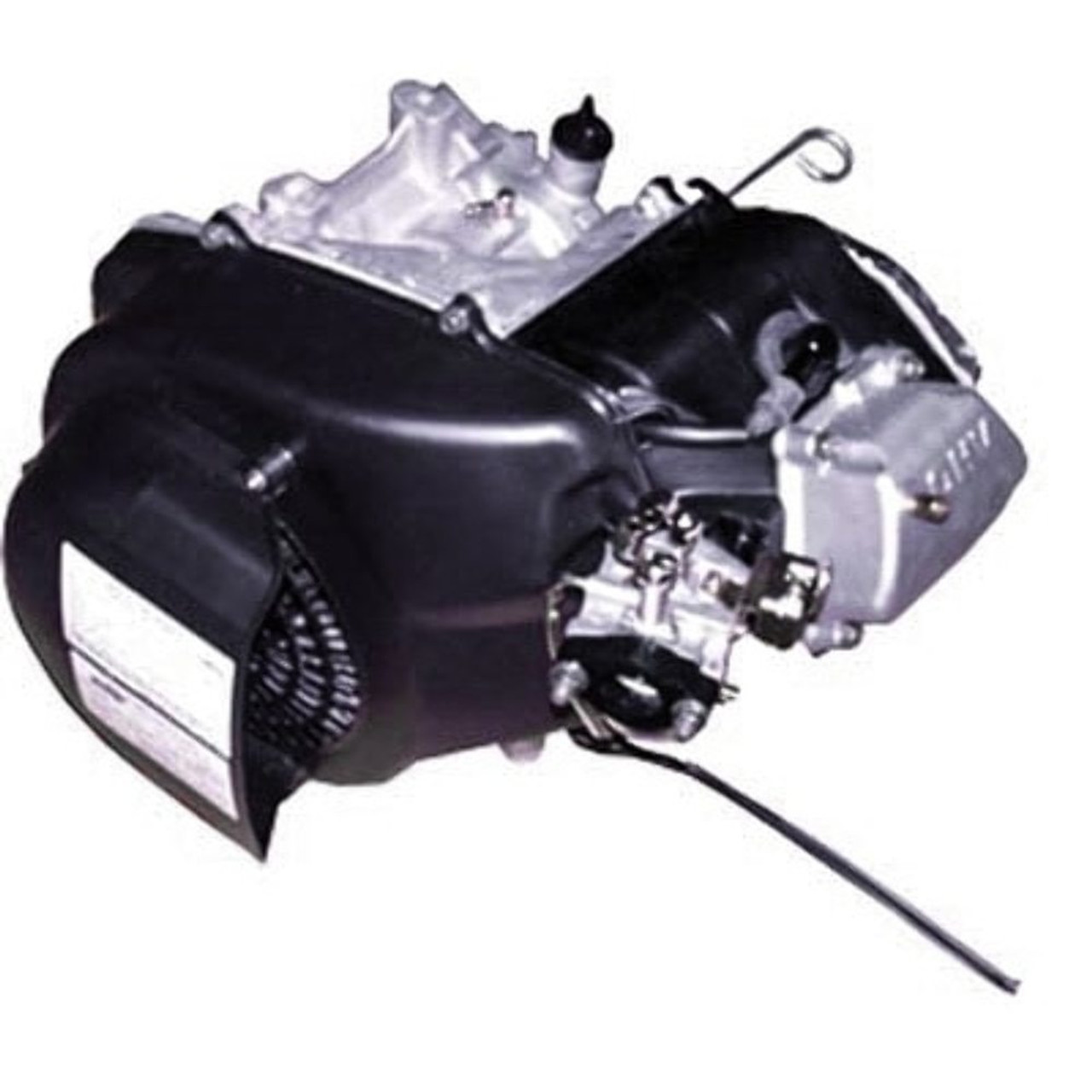
Unleash Unmatched Performance with a Golf Cart Yamaha Engine
When it comes to reliable power, long-term durability, and smooth performance, nothing beats a genuine golf cart Yamaha engine. Designed with cutting-edge technology and trusted by professionals worldwide, this engine delivers the perfect combination of power and precision. Whether you’re restoring an older cart or upgrading for better performance, a Yamaha engine transforms your ride into a high-efficiency machine.Golf Cart Yamaha Engine
Golf cart yamaha engine Built for the Demands of Everyday Use
Yamaha has a long-standing reputation for producing engines that are tough, efficient, and easy to maintain. This golf cart engine is no exception. Crafted for both recreational and commercial use, it handles everything from steep inclines to stop-and-go driving with ease.KF82 engine
Because Yamaha engineers each component with precision, you get more than just performance—you get consistency. Day after day, the engine delivers smooth starts, steady acceleration, and reliable power, regardless of terrain or load.custom golf cart seats
Golf Cart Yamaha Engine Power Meets Precision
What makes a golf cart Yamaha engine truly stand out is its smart balance of power and fuel efficiency. Most models produce between 8.5 and 11.4 horsepower, which is ideal for carrying passengers, hauling gear, or navigating hills with confidence.
Additionally, Yamaha’s advanced overhead valve (OHV) technology ensures that combustion is clean and efficient. As a result, you’ll enjoy fewer emissions, quieter operation, and longer run times—all while saving on fuel.
Durable by Design
Yamaha engines are built to last. With cast iron cylinder liners, aluminum alloy blocks, and high-strength crankshafts, every part is engineered for resilience. Consequently, your golf cart can take on daily use without compromise.
Even better, these engines are air-cooled, meaning there’s no radiator to maintain or hoses to replace. This not only reduces your maintenance time but also enhances long-term reliability—especially in warm or dusty environments.
Easy Installation & Maintenance
One of the key advantages of a golf cart Yamaha engine is its ease of installation. Designed specifically for Yamaha models like the G2, G9, G16, and newer Drive series, the engine fits seamlessly without the need for major modifications.
Furthermore, with easy-access oil filters, spark plugs, and air intakes, routine maintenance becomes quick and straightforward. That means less downtime and more time enjoying the road—or the course.
Upgrade Your Golf Cart with Confidence
Whether you’re a weekend golfer, campground cruiser, or property manager, upgrading to a Yamaha engine will elevate your cart’s performance and reliability. Not only will your golf cart run better, but you’ll also reduce long-term maintenance costs and increase its resale value.
Golf cart yamaha engine Ready to Ride Stronger and Smarter?
Stop settling for underpowered or unreliable motors. A golf cart Yamaha engine is the high-performance upgrade your cart deserves. With unmatched dependability, efficiency, and strength, it’s time to power up your ride—and experience the Yamaha difference.
Order now and take the first step toward smoother, stronger, and smarter driving.
Installation Guidance for Optimal Performance
Proper installation ensures that the Yamaha engine delivers peak performance, efficiency, and longevity. Following OEM procedures guarantees safety and smooth operation.
Tools Required
To simplify installation, gather the following tools:
-
Metric and standard wrench set
-
Torque wrench for precise bolt tightening
-
Screwdriver set (flathead and Phillips)
-
Hydraulic jack or lift for safe elevation
-
Safety gloves and protective eyewear
Having all tools ready prevents interruptions and ensures a smooth, safe process.

Step-by-Step Installation
-
Prepare the Cart: Place the cart on a flat surface, disconnect the battery, and stabilize with a jack or lift if needed.
-
Remove the Existing Engine: Carefully detach linkages, fuel lines, wiring, and mounting bolts from the old engine. Note component orientation for easier reassembly.
-
Inspect Mounting Points: Clean and check for corrosion or damage to ensure a secure installation for the new engine.
-
Install the Yamaha Engine: Align the engine with mounting holes, attach bolts, and secure using torque specifications provided by Yamaha.
-
Reconnect Linkages and Fuel Lines: Ensure all connections are tight but free to move, including throttle linkages and electrical wiring.
-
Test Engine Start-Up: Reconnect the battery and start the engine. Confirm smooth idling, responsive throttle, and absence of unusual noises.
-
Final Safety Check: Inspect all fasteners, perform a short test drive, and verify the engine performs as expected under load.
Following these steps guarantees safety, reliability, and optimal engine performance.
Golf Cart Yamaha Engine Maintenance Strategies
Routine maintenance preserves engine life and prevents costly repairs. Regular checks include:
-
Oil and Filter Changes: Replace every 300–500 operational hours or per Yamaha recommendations.
-
Spark Plug Inspection: Clean or replace plugs to maintain ignition efficiency.
-
Air Filter Maintenance: Ensure airflow remains unobstructed for optimal combustion.
-
Fuel System Checks: Inspect carburetor or EFI systems for clogs or leaks.
-
Belt and Linkage Inspection: Ensure smooth power transmission and prevent wear.
Proper maintenance reduces downtime, enhances performance, and ensures the engine remains efficient and reliable.
Golf Cart Yamaha Engine Troubleshooting Common Issues
Even high-quality Yamaha engines require monitoring. Common issues and solutions include:
Engine Won’t Start
-
Cause: Dead battery, faulty ignition, or fuel line blockage
-
Solution: Check battery charge, inspect ignition system, and ensure fuel supply is unobstructed
Engine Stalls or Hesitates
-
Cause: Dirty carburetor, clogged fuel filter, or worn spark plugs
-
Solution: Clean carburetor, replace fuel filter, and inspect/replace spark plugs
Overheating
-
Cause: Insufficient airflow, low oil, or clogged cooling fins
-
Solution: Check oil levels, clean cooling fins, and verify airflow
Excessive Noise or Vibration
-
Cause: Loose components, worn mounts, or misalignment
-
Solution: Tighten bolts, inspect engine mounts, and realign engine
These troubleshooting steps maintain engine safety, efficiency, and longevity.
Golf Cart Yamaha Engine Real-World Testimonials
Customer experiences highlight the value of Yamaha engines:
“Installing a Yamaha OEM engine transformed my G29 cart. Smooth acceleration and quiet operation make every ride enjoyable.” – Michael S., Golf Course Owner
“I run a fleet of Yamaha carts at a resort. The engines handle heavy loads all day without overheating or stalling.” – Karen L., Operations Manager
“I upgraded my old cart with a Yamaha engine, and I noticed immediate improvements in fuel efficiency and throttle response.” – Daniel R., Private Owner
These testimonials reinforce trust, reliability, and performance of Yamaha engines.
Golf Cart Yamaha Engine Advanced Technical Specifications
| Feature | Specification |
|---|---|
| Engine Type | 4-Stroke, air-cooled gasoline/electric assist |
| Displacement | Model-specific (357cc–411cc typical) |
| Horsepower | 8–14 HP depending on model |
| Fuel System | Carburetor or EFI |
| Ignition | Electronic or manual depending on model |
| Starting System | Electric and/or recoil |
| Cooling System | Air-cooled fins with heat dissipation |
| Materials | High-strength aluminum, steel alloys, corrosion-resistant coatings |
| Maximum RPM | 3,600–4,200 (model-specific) |
| Warranty | Manufacturer-backed limited warranty |
Golf Cart Yamaha Engine Key Engineering Features
-
Forged Pistons and Cylinder Liners: Provide strength and reduce wear over time.
-
Precision-Crafted Crankshaft: Ensures smooth rotational motion with minimal vibration.
-
Sealed Bearings: Enhance efficiency and prevent contamination.
-
Durable Carburetor/Fuel Injection System: Optimized for fuel efficiency and low emissions.
-
Vibration Dampening Mounts: Reduce driver fatigue and improve comfort.
Fuel Efficiency Optimization Tips
Owners can maximize fuel efficiency with the following strategies:
-
Avoid prolonged idling
-
Maintain proper tire pressure for reduced rolling resistance
-
Use recommended fuel grades and quality
-
Keep the engine clean and free from debris
Implementing these tips ensures cost-effective operation and environmentally conscious performance.
Comparing Yamaha OEM Engines vs. Aftermarket Alternatives
Choosing the right engine is critical for both performance and longevity. Many golf cart owners face a choice between genuine Yamaha OEM engines and aftermarket replacements. Understanding the differences can clarify why Yamaha engines are preferred.
Fit and Compatibility
Aftermarket engines often claim universal compatibility, but small variations in mounting points, linkages, and electrical connections can create misalignment or installation difficulties. Yamaha engines are designed for exact fit, ensuring seamless installation.
-
OEM: Perfect alignment with all mounting and fuel connections
-
Aftermarket: May require modifications or adapters, risking misalignment
Performance and Reliability
Yamaha engines deliver consistent torque, smooth acceleration, and predictable operation. Aftermarket alternatives may compromise these qualities, resulting in uneven throttle response, stalling, or inconsistent performance.
-
OEM: Balanced power delivery across all speeds
-
Aftermarket: Variable performance; may cause premature wear
Golf Cart Yamaha Engine Durability and Longevity
High-quality materials and precision engineering define Yamaha engines. Forged pistons, corrosion-resistant coatings, and sealed components ensure long-lasting performance. Aftermarket engines often use lower-grade materials, leading to more frequent repairs or replacement.
-
OEM: Long service life with minimal maintenance
-
Aftermarket: Shorter lifespan, higher long-term costs
Golf Cart Yamaha Engine Seasonal Performance Insights
Golf carts encounter diverse weather and terrain conditions. Yamaha engines are engineered to perform reliably across all seasons.
Golf Cart Yamaha Engine Spring: Wet Conditions and Early Dew
Wet grass and puddles can stress engines and fuel systems. Yamaha engines handle moisture effectively:
-
Sealed ignition components prevent electrical issues
-
Reliable carburetor or EFI systems maintain combustion efficiency
-
Consistent startup despite damp conditions
Golf Cart Yamaha Engine Summer: Heat and Heavy Usage
High temperatures can cause overheating in poorly designed engines. Yamaha units maintain optimal operating temperature with heat-dissipating components:
-
Air-cooled fins enhance thermal management
-
Durable gaskets and seals prevent leaks
-
Stable performance under prolonged usage
Fall: Leaf-Laden Courses and Moisture
Fallen leaves and light rain require engines to start reliably and maintain torque under varying conditions:
-
Fuel systems tuned for efficiency
-
Smooth acceleration even on slippery or uneven terrain
-
Reduced stalling and hesitation
Winter: Cold Weather and Frost
Cold temperatures can thicken lubricants and impede starting. Yamaha engines address this with materials and design features that function in low temperatures:
-
Temperature-tolerant lubricants maintain flow
-
Reliable ignition systems for quick starts
-
Smooth operation even on frost-covered surfaces
Golf Cart Yamaha Engine Real-World Use Cases
Golf Courses
Smooth, reliable engines are critical for maneuvering through fairways, hills, and tight clubhouse areas. Yamaha engines provide:
-
Effortless hill climbs without excessive throttle input
-
Quiet operation to avoid disturbing players
-
Minimal vibration for passenger comfort
Resort and Utility Vehicles
Many Yamaha golf carts are used for transportation, maintenance, and utility work. The engine’s durability supports:
-
Heavy loads without performance loss
-
Long operational hours with minimal downtime
-
Reliable starting even after extended idle periods
Private Estates
For personal use, Yamaha engines enhance everyday enjoyment:
-
Smooth, responsive acceleration
-
Consistent performance across mixed terrains
-
Low maintenance requirements for convenience and reliability
Technical Specifications – Golf Cart Yamaha Engine
The Golf Cart Yamaha Engine combines high-quality engineering with precision manufacturing to deliver reliable power, efficiency, and longevity. Each specification ensures compatibility, performance, and safety for both recreational and commercial golf cart use.
Engine Type and Design
-
Type: 4-Stroke gasoline engine (air-cooled or electric assist for hybrid models)
-
Cylinder Configuration: Single-cylinder, vertical or horizontal orientation depending on model
-
Displacement: 357cc – 411cc (model-specific)
-
Bore x Stroke: Optimized for torque and efficiency (varies by model)
-
Compression Ratio: 9.2:1 – 9.5:1 (designed for smooth combustion and fuel efficiency)
Key Benefit: The 4-stroke design ensures cleaner emissions, fuel efficiency, and longer engine life compared to two-stroke alternatives.
Power and Performance
-
Horsepower: 8–14 HP (depending on model)
-
Maximum RPM: 3,600–4,200 RPM
-
Torque: Optimized for smooth acceleration and hill climbing
-
Throttle Type: Mechanical or electronic throttle (model-specific)
-
Starting System: Electric start and/or manual recoil start
-
Fuel System: Carburetor or EFI (Electronic Fuel Injection), ensuring precise fuel delivery
Key Benefit: Balanced power output allows effortless navigation on hills, tight turns, and uneven terrain while maintaining fuel efficiency.
Golf Cart Yamaha Engine Cooling System
-
Cooling Method: Air-cooled with heat-dissipating fins
-
Temperature Management: High-temperature tolerant components
-
Thermal Protection: Built-in safeguards to prevent overheating during heavy use
Key Benefit: Air-cooled design provides reliable operation even under extended or high-temperature use, reducing maintenance frequency.
Golf Cart Yamaha Engine Fuel and Lubrication
-
Fuel Type: Unleaded gasoline (minimum octane 87)
-
Fuel Capacity: Varies per cart model, typically 4–6 liters
-
Lubrication System: Splash lubrication or full-pressure lubrication depending on model
-
Recommended Oil: Yamaha-approved SAE 10W-30 or equivalent
Key Benefit: Efficient fuel and lubrication systems reduce engine wear, maintain performance, and lower operational costs.
Materials and Construction
-
Engine Block: High-strength aluminum alloy for light weight and durability
-
Pistons: Forged aluminum with precision machining for smooth operation
-
Crankshaft: Hardened steel with high fatigue resistance
-
Gaskets & Seals: OEM-grade for leak prevention and durability
-
Bearings: Sealed and lubricated to reduce friction and prolong life
Key Benefit: Premium materials enhance durability, performance, and safety, even under heavy-duty conditions.
Dimensions and Weight
-
Overall Dimensions: Model-specific; optimized for Drive2 and G29 chassis integration
-
Weight: Approx. 50–65 lbs (23–29 kg), lightweight for ease of installation
-
Mounting Points: OEM-standard positions for secure, precise alignment
Key Benefit: Compact, lightweight design simplifies installation, reduces cart weight, and maintains center of gravity for stable handling.Yamaha OEM engine replacement
Electrical and Ignition System
-
Ignition Type: Electronic or manual, model-specific
-
Spark Plug: Standard or high-performance OEM spark plugs
-
Battery Compatibility: 12V system (for electric start engines)
-
Electrical Connections: OEM wiring harness compatibility ensures plug-and-play installation
Key Benefit: Reliable ignition and electrical systems allow smooth starting, consistent performance, and minimal maintenance.
Warranty and Compliance
-
Warranty: Limited manufacturer-backed warranty covering defects in materials and workmanship
-
Compliance: Meets or exceeds emissions and safety standards for recreational vehicles
-
Maintenance Recommendations: Follow Yamaha service intervals for oil, filters, and spark plugs
Key Benefit: Peace of mind with warranty coverage, compliance with safety standards, and long-term reliability.
Highlighted Features at a Glance
-
4-Stroke, air-cooled design for durability and efficiency
-
8–14 HP optimized for smooth acceleration
-
EFI or carburetor fuel systems for precise combustion
-
Forged pistons and high-strength engine block for longevity
-
Sealed bearings and OEM gaskets for low maintenance
-
Electric start and manual recoil options
-
Compact, lightweight design for easy installation
Ideal Use Cases – Golf Cart Yamaha Engine
The Golf Cart Yamaha Engine is engineered to provide reliable power, smooth handling, and long-lasting performance across a wide range of applications. Its durability, efficiency, and OEM-quality design make it suitable for recreational, commercial, and utility use. Below are the ideal use cases for this engine:
1. Golf Course Operation
Golf carts on courses require quiet, smooth, and reliable performance to navigate fairways, bunkers, and clubhouse areas. The Yamaha engine ensures:
-
Effortless hill climbs on challenging terrain
-
Quiet operation that maintains the peaceful course environment
-
Smooth acceleration and braking for player and passenger comfort
-
Long-term reliability for fleets in daily use
Ideal for: Clubhouse shuttles, golf course fleet operators, and private golf course owners.yamaha g16a golf cart parts
2. Resort and Hotel Transportation
Resorts often use golf carts to transport guests across large properties. The Yamaha engine provides:
-
Consistent performance under heavy loads
-
Reliable starting and operation in all weather conditions
-
Low vibration and smooth handling for passenger comfort
-
Durable construction to withstand frequent daily use
Ideal for: Guest shuttles, property maintenance, and resort fleet managers seeking dependable engines.yamaha g16a golf cart parts
3. Utility and Maintenance Vehicles
Yamaha golf carts are also popular in industrial and maintenance settings. The engine supports:
-
Hauling tools, equipment, or small cargo efficiently
-
Stable operation on uneven surfaces such as gravel, dirt, or grass
-
Reduced downtime due to minimal maintenance requirements
-
Fuel efficiency that lowers operational costs for fleet management
Ideal for: Landscaping crews, maintenance teams, warehouse or factory grounds, and utility service vehicles.
4. Private and Residential Use
For homeowners or private estates, Yamaha engines enhance daily convenience, reliability, and safety. Users experience:
-
Smooth acceleration for casual rides
-
Durable construction for long-term enjoyment
-
Quiet operation suitable for neighborhoods or shared spaces
-
Low maintenance for stress-free ownership
Ideal for: Large estates, gated communities, or individuals seeking a high-quality personal cart experience.
5. Off-Road or Terrain-Specific Use
While primarily designed for golf courses, Yamaha engines can also handle light off-road conditions due to their torque, stability, and durability:
-
Grass, gravel, or dirt paths remain navigable with minimal effort
-
Engine torque provides traction on inclines and uneven surfaces
-
Durable components resist wear in variable conditions
Ideal for: Farms, ranches, outdoor recreational properties, or parks where terrain varies.
6. Fleet Management for Commercial Operations
For organizations managing multiple golf carts, Yamaha engines provide:
-
Standardized performance across all units
-
Reduced maintenance and repair costs
-
Reliable start-up and consistent operation for every shift
-
Enhanced resale value for long-term fleet investment
Ideal for: Resorts, golf courses, universities, event venues, or municipal fleets.club car precedent electric motor
Key Benefits Across Use Cases
-
Consistent power delivery ensures reliable operation under all loads
-
Durable, OEM-quality construction minimizes downtime
-
Low maintenance requirements reduce operational costs
-
Quiet, smooth operation enhances comfort for passengers
-
Fuel efficiency contributes to lower long-term expense
Related products
-

-
Sale!
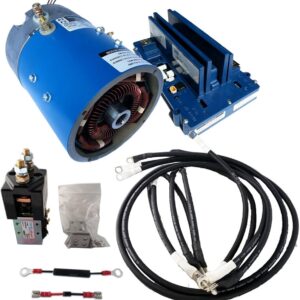
Yamaha g29 motor & controller
Original price was: $1,000.00.$700.00Current price is: $700.00.Select options This product has multiple variants. The options may be chosen on the product page -
-
