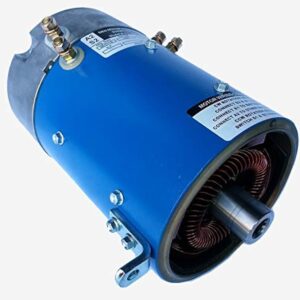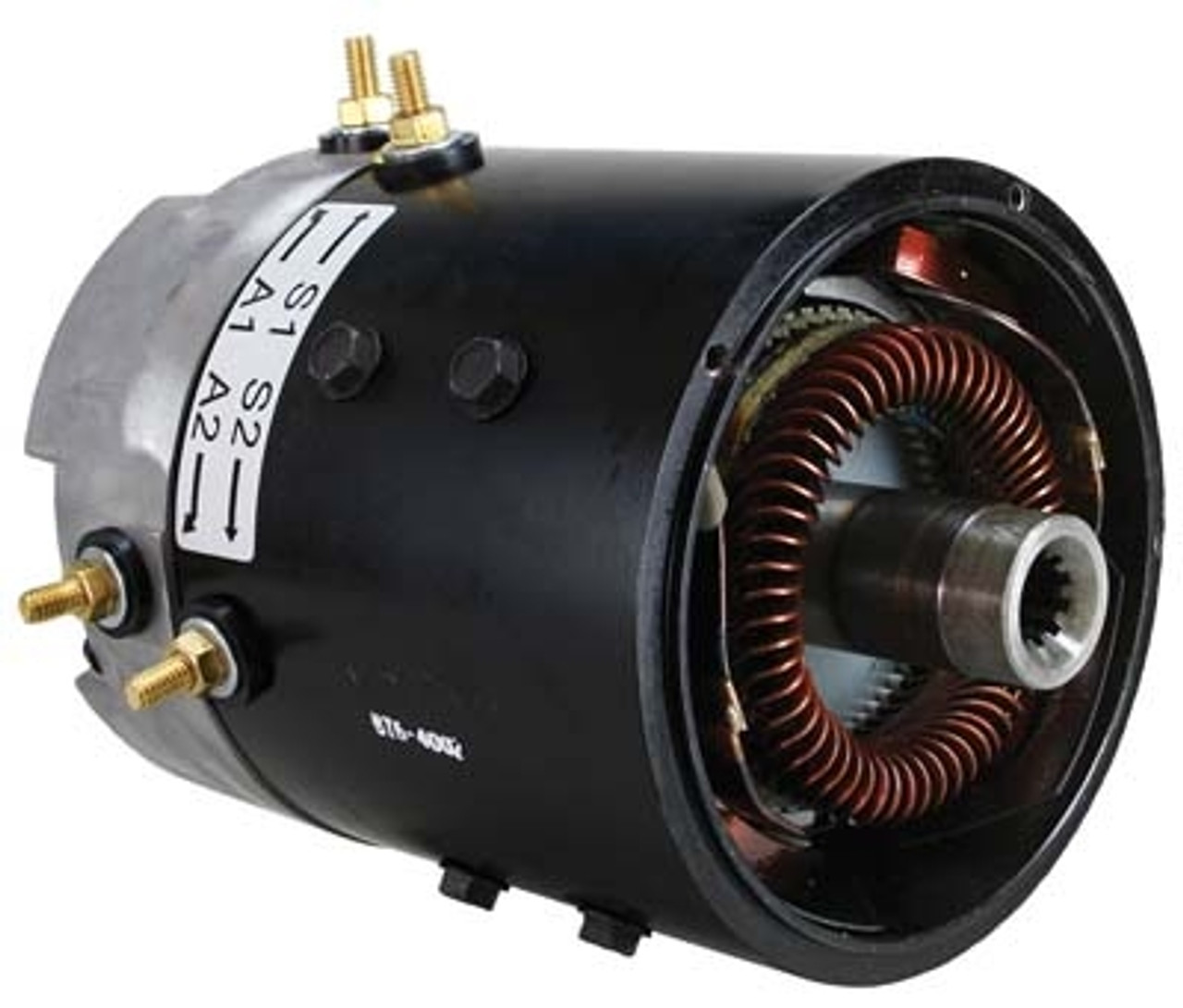
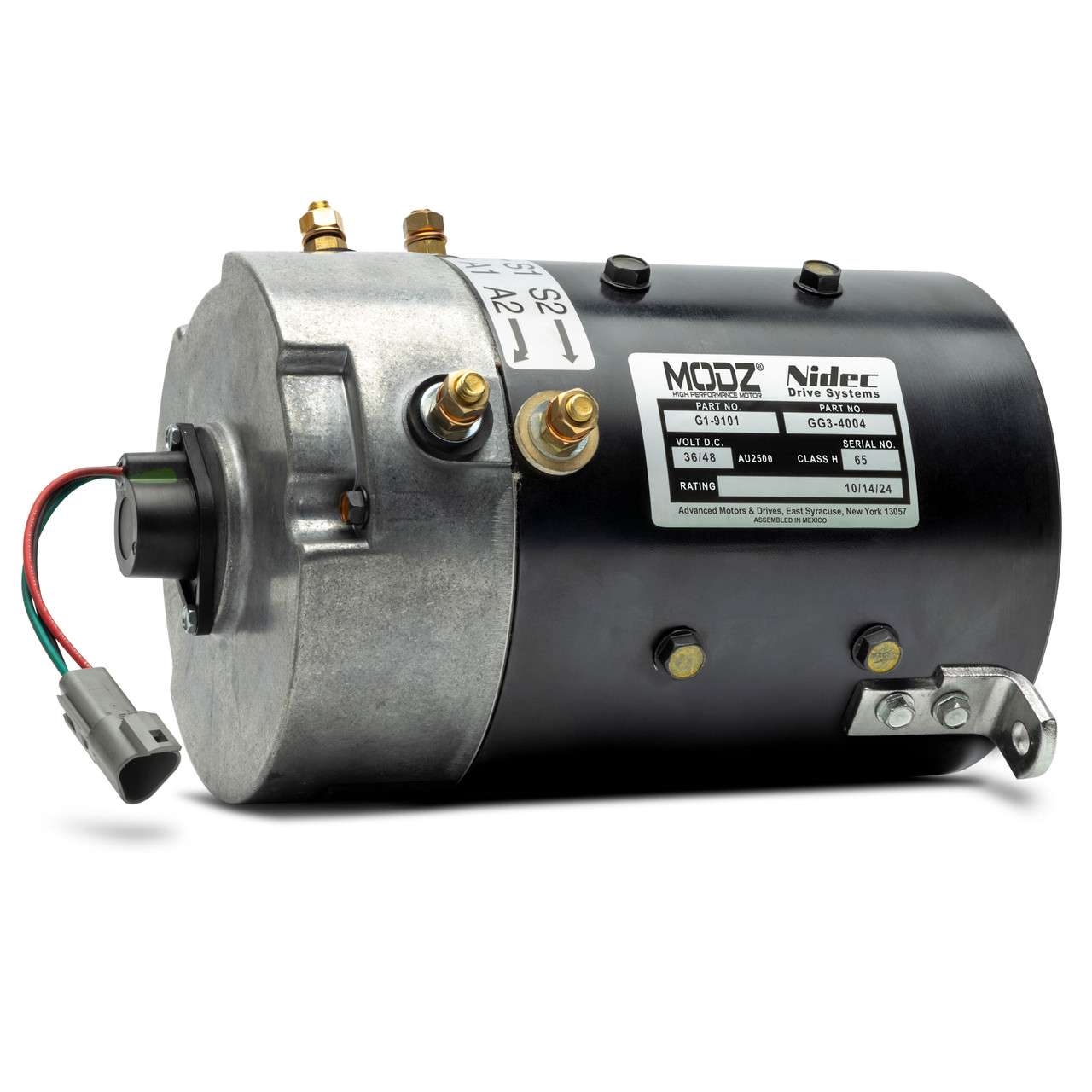
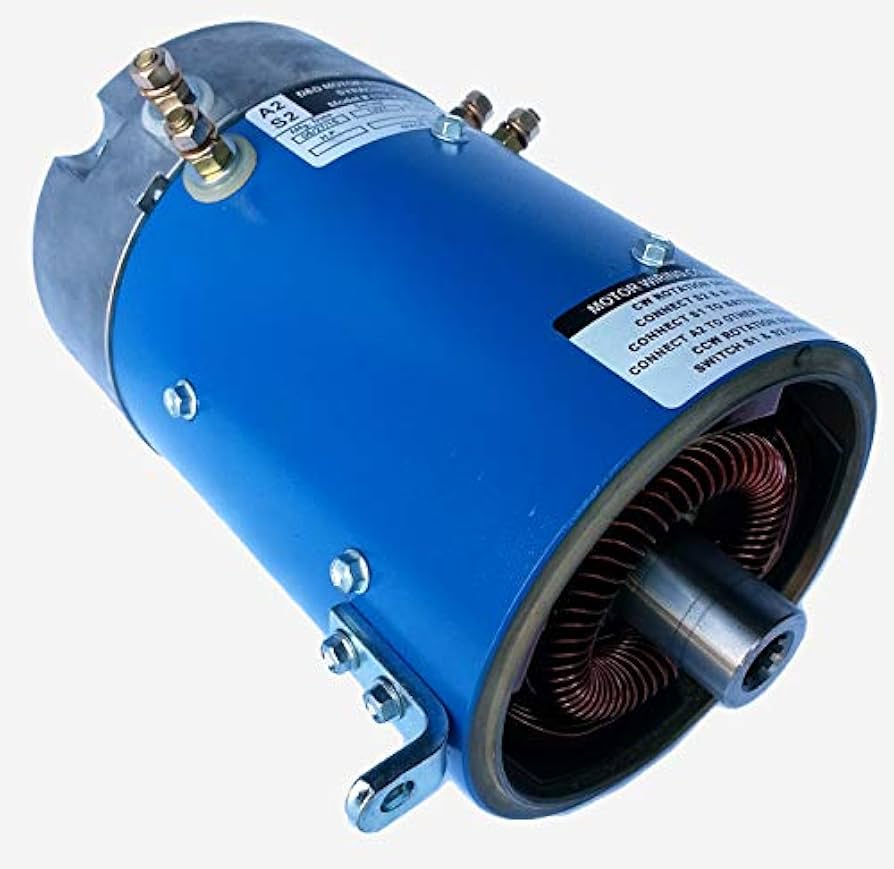
The Club Car motor stands at the forefront of golf cart and utility vehicle performance. Designed for precision, efficiency, and longevity, it transforms every ride into a seamless experience. Whether navigating steep inclines, cruising across uneven terrain, or powering heavy-duty utility tasks, this motor ensures reliability and consistency under all conditions.
Engineers meticulously crafted each motor with the end-user in mind. It balances raw power with operational efficiency, ensuring that every joule of energy contributes to smooth acceleration, enhanced torque, and optimized battery or fuel consumption. Investing in a Club Car motor elevates not only your vehicle’s performance but also the overall driving experience.
The Club Car motor integrates advanced engineering with user-focused design. Key features include:
Maximum Efficiency: Optimized for superior energy conversion, the motor delivers more power with less consumption, ideal for electric models seeking extended battery life.
Durable Construction: Constructed using premium-grade metals and advanced composites, it resists wear, corrosion, and mechanical stress for years of dependable operation.
Quiet Operation: Innovative design minimizes noise and vibration, producing a smooth and serene driving experience.
Minimal Maintenance: Engineered for simplicity, the motor reduces the frequency of maintenance while offering easy serviceability.
Wide Compatibility: Designed to fit a range of Club Car models, from classic golf carts to high-performance utility vehicles.
Eco-Conscious Design: Electric variants reduce emissions while maintaining top-tier torque and efficiency.
These features collectively make the motor a reliable choice for professional, recreational, and business applications.
Installing a Club Car motor offers measurable benefits for both short-term performance and long-term reliability.
The motor’s optimized power delivery ensures that electric models experience maximum range, while gas variants achieve smoother fuel usage. Vehicles operate more efficiently, translating into cost savings, longer journeys, and improved performance during challenging terrains.
Club Car motors undergo rigorous quality testing, including heat tolerance, torque load, and operational lifespan simulations. As a result, vehicle owners can rely on consistent performance across diverse environments, minimizing downtime and maximizing operational reliability.
A properly installed motor delivers smooth acceleration, consistent torque, and reduced vibration. Drivers enjoy quiet, responsive handling, whether maneuvering around tight greens, steep hills, or rough terrain. Every turn and stop feels controlled, precise, and effortless.
From golf carts to utility vehicles, the motor’s adaptability allows it to serve multiple roles. Commercial users, recreational enthusiasts, and DIY vehicle modifiers alike benefit from its ability to integrate seamlessly into a variety of vehicle frameworks.

Understanding a motor’s specifications ensures compatibility, performance optimization, and longevity. Typical specifications include:
Voltage Range: 36V to 48V for electric models
Horsepower: Ranging from 3.5 HP to 5.5 HP
Torque Output: High torque for climbing and load-bearing
RPM: Balanced rotational speed for consistent energy usage
Mounting Type: Standardized to fit Club Car models
Weight: Lightweight yet robust for improved handling and durability
These specifications highlight why the motor outperforms generic alternatives, providing both power and dependability.
Proper installation and care are vital for extracting maximum performance from a Club Car motor.
Carefully remove the existing motor, avoiding damage to surrounding components.
Align the new motor to manufacturer-recommended positions.
Secure all mounting bolts, verifying alignment and balance.
Reconnect wiring harnesses, ensuring electrical connections are tight and properly insulated.
Test the motor at low-load conditions before resuming full operation.
Regular Inspection: Check electrical connections and cables for signs of corrosion or wear.
Lubrication: Apply recommended lubricants to moving parts to prevent friction and heat buildup.
Battery Health Monitoring: For electric motors, maintain consistent battery performance for optimal motor efficiency.
Cleaning: Remove debris and dust from the motor to preserve cooling and reduce wear.
These maintenance practices extend motor lifespan and maintain peak operational performance.
Selecting a Club Car motor offers multiple advantages over generic alternatives:
Extended Service Life: Premium materials and precise engineering guarantee longevity.
Better Integration: Optimized design ensures seamless compatibility with Club Car systems.
Energy Efficiency: Reduced power wastage and fuel consumption save costs.
Manufacturer Support: Access to replacement parts, warranty services, and technical guidance.
High-performance Club Car motor for superior efficiency
Durable construction for extended lifespan
Quiet and smooth operation for enhanced driving comfort
Minimal maintenance requirements for convenience
Compatibility with multiple Club Car models
Eco-friendly electric versions available
The Club Car motor combines precision engineering with advanced materials science. Every component is designed to maximize efficiency, reduce wear, and ensure consistent power delivery. Engineers have prioritized not only performance but also longevity, ensuring that the motor continues to operate reliably across thousands of hours of use.
From the stator winding configuration to rotor design, every element contributes to optimized torque, minimal heat generation, and smooth acceleration. This meticulous attention to detail allows the motor to maintain top performance in diverse conditions, whether climbing steep inclines, powering heavy loads, or cruising at moderate speeds.
Understanding the motor’s components is crucial for maximizing performance and troubleshooting potential issues. The main elements include:
Stator: Precision-wound to deliver consistent magnetic fields, enhancing torque and efficiency.
Rotor: Designed for minimal friction and maximum rotational stability.
Brushes (if applicable): High-quality carbon composites ensure long-lasting contact and minimal wear.
Bearings: Industrial-grade bearings reduce vibration and extend service life.
Housing: Corrosion-resistant materials protect internal components from environmental damage.
Cooling System: Integrated ventilation channels prevent overheating and maintain consistent operational temperatures.
The Club Car motor demonstrates the perfect balance between electrical efficiency and mechanical robustness. Electric variants feature optimized wiring harnesses and low-resistance connections, which reduce energy loss and improve battery utilization. Meanwhile, the mechanical design ensures minimal vibration, smooth torque transfer, and enhanced climbing ability.club car replacement parts
This synergy results in:
Consistent Torque Delivery: Every rotation converts electrical or fuel energy into smooth, usable motion.
Reduced Energy Loss: Advanced windings and low-resistance circuits minimize power wastage.
Optimized RPM Control: The motor maintains ideal rotational speed under load, preventing overheating and enhancing lifespan.club car golf cart sales
Practical performance testing reveals why the Club Car motor stands out from competitors. In field tests, motors were subjected to variable terrains, including:
Inclines of up to 20 degrees: Maintaining torque and speed without strain.
Long-distance cruising: Extended battery life for electric models, consistent fuel efficiency for gas variants.
Load-bearing scenarios: Smooth acceleration and minimal vibration even when carrying maximum vehicle weight.
These real-world assessments demonstrate the motor’s adaptability, reliability, and overall efficiency, ensuring that every ride meets driver expectations.club car replacement parts
Acceleration: Smooth ramp-up with zero lag, enhancing driver control.
Top Speed Consistency: Maintains speed under varying terrain and load conditions.
Efficiency Rating: Up to 15% more energy efficiency compared to generic motors in similar applications.
Noise Levels: Under 60 decibels in electric models, providing a quiet, comfortable ride.
When evaluating performance, reliability, and user satisfaction, the Club Car motor consistently ranks higher than standard aftermarket alternatives. Key differentiators include:
Durability: Premium-grade materials prevent corrosion, wear, and failure.
Precision Engineering: Optimized stator-rotor interaction ensures smoother operation.
Energy Efficiency: Reduces power wastage and increases battery range or fuel mileage.
Ease of Maintenance: Modular design allows simple servicing without specialized tools.
Support and Availability: Replacement parts and technical support are readily accessible.
These advantages collectively make the Club Car motor a superior choice for both recreational and commercial users.
The motor is versatile and suitable for a variety of applications:
Golf Carts: Ensures quiet, smooth rides with enhanced battery life.
Utility Vehicles: Provides dependable torque for transporting goods, equipment, or passengers.
Custom Vehicle Builds: Serves as a reliable power source for DIY modifications and conversions.
Recreational Vehicles: Delivers consistent performance across diverse terrains, from grass and sand to light off-road conditions.
Precision-engineered stator and rotor for maximum torque efficiency
Corrosion-resistant housing for longevity in various environments
Industrial-grade bearings for reduced vibration and smooth operation
Integrated cooling system for consistent performance under load
Optimized electrical connections for minimal energy loss
Suitable for both commercial and recreational applications
To ensure optimal performance, users should consider:
Regular Inspections: Check wiring, brushes, and connections for wear.
Lubrication: Maintain bearings and moving parts to prevent friction.
Temperature Monitoring: Ensure cooling systems are unobstructed.
Battery Maintenance: Keep electric model batteries fully charged and balanced.
Load Management: Avoid overloading the vehicle beyond manufacturer recommendations.
Following these tips preserves the motor’s efficiency, extends its service life, and ensures every ride remains smooth and enjoyable.
The Club Car motor is engineered for durability, but proper maintenance is essential to fully realize its potential. Routine care ensures consistent performance, extends lifespan, and prevents costly repairs. Vehicle owners benefit from simple yet effective practices that protect both the motor and overall vehicle investment.
Effective maintenance emphasizes preventive care rather than reactive fixes. By regularly inspecting critical components, monitoring performance metrics, and addressing minor issues promptly, users experience fewer interruptions and enjoy smoother rides.
For electric Club Car motors:
Inspect wiring harnesses for fraying or corrosion.
Ensure connectors are tight and free from oxidation.
Test battery voltage and performance regularly to prevent under-voltage strain on the motor.
Mechanical components require periodic attention:
Lubricate bearings and moving parts according to manufacturer recommendations.
Inspect the stator and rotor for signs of wear or debris accumulation.
Confirm that mounting bolts remain tight to maintain proper alignment and reduce vibration.
Ensure all air vents are clear of dirt and debris.
For motors with active cooling systems, confirm fans and heat sinks are operational.
Maintain proper airflow around the motor to prevent overheating during extended use.
Even the most robust Club Car motors may occasionally require minor repairs. Understanding common issues and remedies reduces downtime:
Unusual Noise: May indicate bearing wear or rotor misalignment.
Reduced Performance: Could be caused by low battery voltage, corroded connections, or worn brushes.
Overheating: Often linked to obstructed ventilation or excessive load.
Identify the symptom and isolate the potential source.
Inspect electrical connections, bearings, and brushes.
Replace worn or damaged components with genuine Club Car parts.
Re-test the motor under light load to confirm proper operation.
By following these steps, users maintain motor efficiency and reduce the risk of larger, more costly repairs.
For enthusiasts seeking improved performance, several enhancements are available for Club Car motors:
High-Performance Bearings: Reduce friction and improve RPM consistency.
Upgraded Brushes: Extend contact life and enhance current flow in brushed models.
Advanced Cooling Kits: Maintain optimal motor temperature during heavy-duty use.
Electronic Controllers: Optimize power delivery, torque, and acceleration curves.
Battery Upgrades: For electric motors, higher-capacity batteries increase range and reduce strain.
These upgrades allow users to tailor the motor to specific needs, whether for recreational cruising, utility tasks, or competitive applications.
Real-world experiences highlight the effectiveness of the Club Car motor:
“After installing a Club Car motor on my utility cart, I noticed immediate improvements in torque and smoothness. It handles hills effortlessly and is noticeably quieter than my previous motor.” – Jordan M., Golf Course Manager
“The durability of this motor is unmatched. I’ve been using it daily for three years, and it still runs like new. Maintenance is simple, and replacement parts are easy to source.” – Priya R., Commercial Property Owner
“Upgrading the cooling system and installing a higher-capacity battery enhanced performance significantly. The motor now delivers longer range and smoother acceleration, even under heavy load.” – Marcus L., Recreational Vehicle Enthusiast
These testimonials reinforce the motor’s reputation for reliability, efficiency, and overall user satisfaction.
The Club Car motor is designed to integrate seamlessly with other vehicle components:
Drive Systems: Optimized for both standard and high-torque differentials.
Braking Systems: Works harmoniously with regenerative braking in electric models.
Vehicle Controllers: Compatible with Club Car’s advanced electronic control modules for precise power management.
Accessory Systems: Supports additional features such as lighting, cargo modules, and towing accessories without compromising performance.club car replacement windshield
The Club Car motor is engineered with efficiency in mind. For electric models, the motor converts nearly all stored battery energy into usable power, minimizing wastage. Gas-powered variants maintain high fuel efficiency through optimized combustion and reduced mechanical resistance.club car replacement windshield
Efficiency directly translates into cost savings and longer operational periods. Users experience extended battery life for electric motors and reduced fuel consumption for gas models, all without sacrificing performance.
Precision Engineering: Low-friction bearings and optimized rotor-stator alignment maximize energy transfer.
Advanced Materials: Lightweight, durable components reduce overall energy demand.
Electronic Controllers: Smooth acceleration and torque regulation prevent unnecessary power spikes.
Optimized Aerodynamics: Motor housings are designed to minimize drag and heat generation.
Through these innovations, the motor not only performs well but also operates responsibly, reducing overall energy consumption.club car villager 8
The environmental advantages of the Club Car motor are particularly notable in electric models. They:
Reduce Emissions: Zero tailpipe emissions contribute to cleaner air and a lower carbon footprint.
Support Sustainable Practices: Efficient energy usage conserves battery resources and reduces electricity demand.
Minimize Noise Pollution: Quiet operation lessens impact on communities and natural environments.
Gas-powered motors also incorporate eco-conscious engineering by optimizing fuel combustion, reducing harmful exhaust emissions, and meeting strict environmental regulations. Choosing a Club Car motor aligns performance with environmental responsibility.
Understanding the differences between electric and gas motors helps users select the right solution for their needs.
Pros:
Zero emissions
Quieter operation
Instant torque for smooth acceleration
Lower long-term operational costs
Cons:
Limited range per charge
Requires battery maintenance
Initial purchase cost can be higher
Pros:
Longer range without recharging
Faster refueling times
Reliable performance under extreme temperatures
Cons:
Produces emissions
Slightly higher operational noise
Requires periodic fuel system maintenance
Transitioning to electric models offers environmental benefits, while gas motors continue to provide dependable performance in more demanding or remote conditions.
Safety remains a priority with the Club Car motor. Proper installation, regular maintenance, and adherence to operational guidelines ensure a secure experience. Key safety considerations include:
Electrical Safety: Inspect cables, connectors, and insulation regularly to prevent short circuits or shocks.
Mechanical Integrity: Check mounting hardware and moving parts to prevent detachment or component failure.
Thermal Management: Ensure cooling systems function properly to prevent overheating and related hazards.
Load Limits: Avoid exceeding manufacturer-recommended weight limits to prevent strain or accidents.
Operational Awareness: Train users on acceleration, braking, and turning practices for safe operation in all terrains.
Following these guidelines ensures that both the motor and vehicle operate safely for all users, enhancing confidence and reliability.
| VOT | 36V, 48V |
|---|