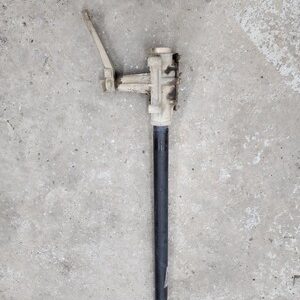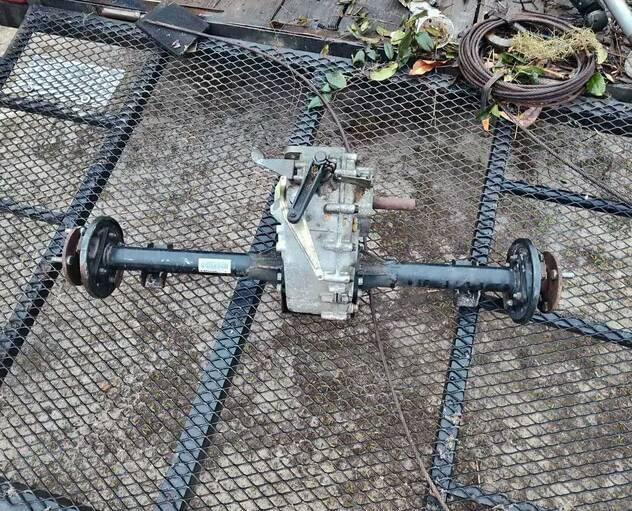
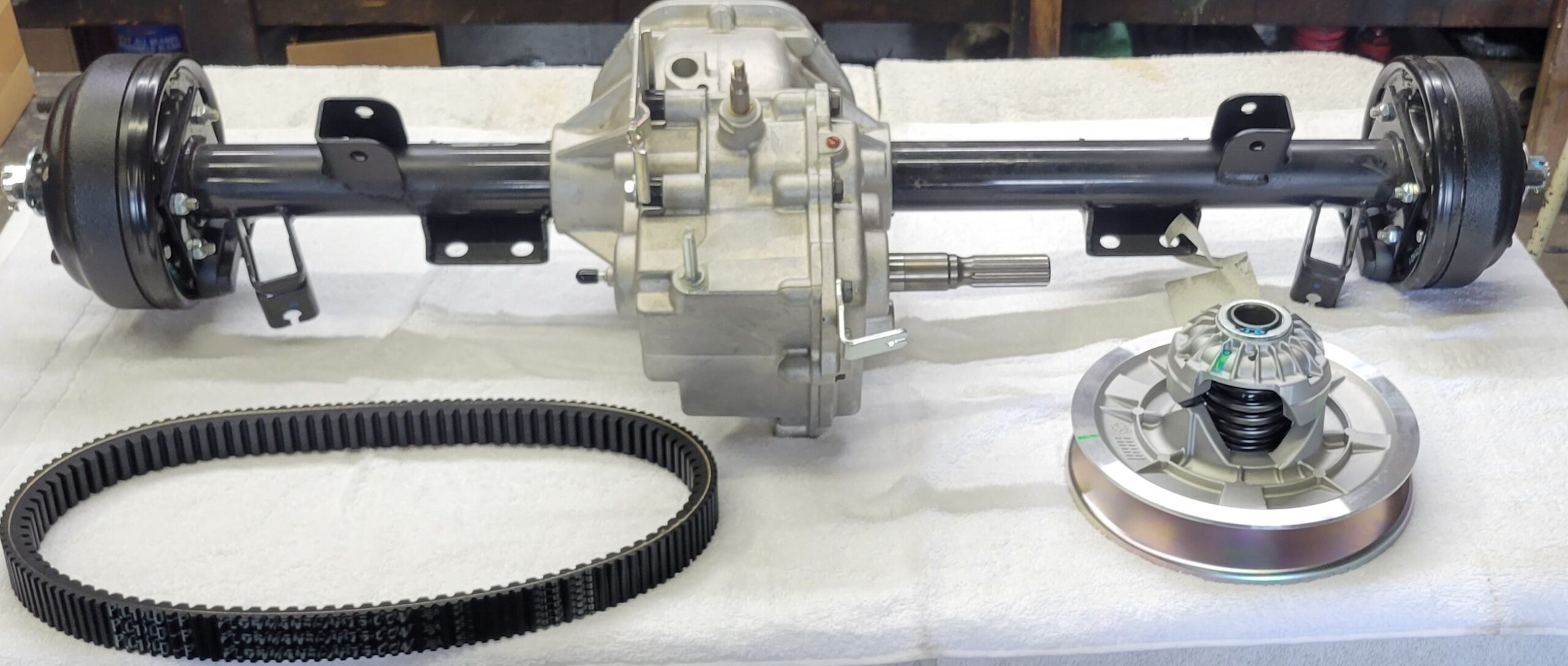
Golf cart owners know the importance of a reliable rear end. The Yamaha Gas Rear End is engineered specifically for Yamaha gas-powered golf carts, delivering durability, smooth power transfer, and consistent performance across diverse terrains. Unlike generic aftermarket components, this rear end maintains Yamaha’s legendary standards, ensuring your golf cart feels responsive and stable at all times.
Whether cruising leisurely around your neighborhood, navigating the undulating fairways of your favorite golf course, or upgrading a fleet of carts for commercial use, the Yamaha Gas Rear End provides peace of mind through its robust construction, precise engineering, and ease of maintenance. Its design ensures your investment translates into years of trouble-free performance.
Transitioning from older or worn rear ends to this optimized component significantly enhances your golf cart’s driving dynamics. Riders notice smoother acceleration, reduced vibration, and improved stability during turns. Moreover, its compatibility across multiple Yamaha models minimizes installation concerns, making it a reliable choice for both DIY enthusiasts and professional technicians.
Every component of the Yamaha Gas Rear End is crafted from premium-grade materials. This ensures resistance to wear, corrosion, and high stress, making it ideal for golf carts that are used frequently or on uneven terrain. Reinforced housings and precision-engineered gears ensure consistent performance even under heavy loads.
A properly functioning rear end translates engine power into motion efficiently. The Yamaha Gas Rear End is engineered to maximize torque delivery to the rear wheels, providing smooth acceleration and precise handling. This is particularly noticeable when navigating inclines or making tight turns, offering a stable and controlled ride.
This rear end fits a wide range of Yamaha gas-powered golf carts, including popular models such as:
Yamaha Drive2
Yamaha G29
Yamaha Adventurer
Yamaha AC Series
By ensuring compatibility, installation is straightforward, reducing potential errors and minimizing downtime. This makes it an excellent choice for both single-cart upgrades and fleet maintenance.
Designed with accessibility in mind, the Yamaha Gas Rear End simplifies routine maintenance. Components like bearings, seals, and gears are easy to inspect, clean, and lubricate. This reduces long-term maintenance costs while keeping your golf cart performing optimally.
Highlighted Key Features:
Premium-grade construction for durability
Smooth torque transfer to rear wheels
Fits multiple Yamaha golf cart models
Accessible for simple maintenance
Enhanced stability and control
The Yamaha Gas Rear End significantly enhances handling by providing consistent rear-wheel performance. Golf cart drivers experience better control, especially when cornering or navigating hilly courses. By maintaining precise alignment and torque distribution, it minimizes sway and reduces the risk of wheel slip.

Golf carts encounter frequent stop-and-go driving, uneven paths, and occasional rough terrain. The Yamaha Gas Rear End’s reinforced design resists wear and tear, ensuring long-term reliability. Riders enjoy a smoother, quieter experience with fewer mechanical issues over time.
In addition to durability, this rear end is designed to minimize operational noise and vibration. The result is a more comfortable ride, reducing fatigue for both recreational users and commercial fleet operators. Golfers can focus on their game rather than rattling or rough drivetrains.
Proper installation and regular maintenance are essential for maximizing the performance and lifespan of the Yamaha Gas Rear End. Designed for golf carts, this rear end allows both DIY enthusiasts and professional mechanics to achieve optimal results with minimal hassle.
Installing a Yamaha Gas Rear End is straightforward with the right tools and guidance. Follow these steps to ensure proper fitment and alignment:
Prepare Your Golf Cart – Ensure the cart is on a flat, stable surface. Disconnect the battery and remove the wheels for better access.
Remove the Old Rear End – Carefully detach the existing rear end, making note of the gear and drive alignment. Inspect surrounding components for wear.
Position the Yamaha Gas Rear End – Align the new rear end with the drive shaft and mounting points. Check that gears mesh correctly and bolts are ready for secure tightening.
Secure Bolts and Fasteners – Tighten all bolts according to Yamaha specifications. Avoid over-tightening to prevent damage.
Reconnect Components – Reinstall wheels, brakes, and any other detached components. Ensure everything is properly seated and secure.
Test Performance – Reconnect the battery and perform a slow test drive, checking for smooth acceleration, noise, or misalignment. Adjust if necessary.
By following these steps, golf cart owners ensure that the rear end functions efficiently and reliably.
Routine maintenance keeps your Yamaha Gas Rear End performing at peak levels:
Lubrication – Regularly lubricate gears and bearings to reduce friction and prevent wear.
Inspection – Check for loose bolts, worn seals, and signs of corrosion at least every three months.
Cleaning – Remove dirt, mud, and debris from the rear end after each use to prevent buildup that can affect performance.
Replacement of Worn Parts – Bearings, seals, and gears should be replaced if they show signs of significant wear.
Proper maintenance not only prolongs the lifespan of the rear end but also ensures smooth and safe operation across all terrains.
Even with a high-quality rear end, occasional issues may arise. Understanding common problems helps resolve them quickly:
Unusual Noise – Often caused by loose bolts or insufficient lubrication. Check and tighten fasteners and apply fresh grease.
Vibration – Can result from misaligned gears or worn bearings. Inspect and replace damaged components as needed.
Poor Acceleration – Ensure proper installation and check that the torque delivery is not obstructed by debris or worn parts.
Leaks – Inspect seals and replace any damaged ones to prevent lubricant loss and maintain smooth operation.
When it comes to golf carts, a dependable rear end is critical not only for performance but also for safety. The Yamaha Gas Rear End is designed to meet rigorous engineering standards, ensuring both long-term reliability and peace of mind for owners.
Every Yamaha Gas Rear End is manufactured to strict quality guidelines. Precision machining ensures gears, bearings, and housings fit perfectly, reducing the risk of misalignment or mechanical failure. Materials are selected for their resistance to wear, heat, and corrosion, which helps maintain performance even under frequent stop-and-go driving conditions.
The rugged design of this rear end ensures durability across thousands of miles of operation. Golf cart owners experience consistent power delivery, smooth handling, and reduced noise and vibration over time. With proper installation and maintenance, this component continues to perform optimally for years, reducing repair costs and minimizing unexpected downtime.
Precise Gear Alignment – Minimizes the risk of wheel slippage and sudden loss of control.
Reinforced Housing – Protects critical components from damage due to impact or uneven terrain.
Durable Bearings and Seals – Maintain smooth rotation, preventing overheating or component failure.
Reliable Torque Transfer – Ensures the rear wheels respond accurately to acceleration and braking inputs.
Golf cart owners can confidently navigate golf courses, neighborhoods, or off-road paths, knowing their vehicle is supported by a rear end designed for reliability, stability, and safety.
The Yamaha Gas Rear End is engineered to enhance performance, reliability, and ease of maintenance for golf carts. Its versatility makes it suitable for a variety of owners and applications, from recreational players to commercial fleet operators.
For individuals using golf carts for personal enjoyment, the Yamaha Gas Rear End provides smoother acceleration, stable handling, and quieter operation. Whether cruising around your neighborhood, navigating your favorite golf course, or tackling gentle hills, this rear end ensures a comfortable and responsive ride. Recreational owners benefit from its low-maintenance design, allowing more time enjoying the cart rather than performing frequent repairs.
Commercial operators managing multiple golf carts rely on durability and consistency. The Yamaha Gas Rear End is ideal for fleet applications due to its rugged construction, broad model compatibility, and long-lasting performance. By upgrading or replacing rear ends across a fleet, course managers can reduce maintenance costs, minimize downtime, and improve the overall experience for players.
Enthusiasts who modify or customize their golf carts will find the Yamaha Gas Rear End perfect for performance improvements. Its smooth power transfer and enhanced stability make it an excellent choice for carts equipped with upgraded engines, suspension systems, or off-road tires. Additionally, its compatibility with multiple Yamaha models provides flexibility for both standard and heavily modified carts.
Choosing the right rear end for your golf cart is crucial for performance, reliability, and long-term satisfaction. The Yamaha Gas Rear End stands out due to its engineering, durability, and compatibility with a wide range of Yamaha models.
Yamaha has built a reputation for producing high-quality golf carts and components. By selecting the Yamaha Gas Rear End, owners benefit from decades of expertise in drivetrain engineering and precision manufacturing. Every part is designed to maintain optimal power transfer, ensuring your golf cart performs consistently on flat paths, rolling hills, and challenging terrains.
Investing in a Yamaha Gas Rear End provides long-term savings. Its durable materials and robust construction reduce the frequency of repairs, and its low-maintenance design minimizes downtime. Golf cart owners experience better handling, smoother rides, and fewer mechanical issues, making it a smart investment for both individual owners and fleet operators.
Beyond performance, Yamaha products offer a sense of community and support. Authorized dealers provide installation guidance, warranty coverage, and access to replacement parts. Fleet managers and recreational owners alike can rely on Yamaha’s network for advice, service, and assistance, ensuring their carts remain in top condition for years.
By upgrading to the Yamaha Gas Rear End, golf cart users notice immediate improvements:
Smoother acceleration and deceleration
Improved stability around corners and on inclines
Reduced noise and vibration for a more comfortable ride
Reliable performance under frequent or heavy use
Minimal maintenance requirements
Golf cart owners often have questions about installation, performance, maintenance, and compatibility. The Yamaha Gas Rear End is designed to address these concerns, providing clear guidance and reassurance.
Q: Which Yamaha golf cart models are compatible with this rear end?
A: The Yamaha Gas Rear End fits multiple gas-powered models, including Drive2, G29, Adventurer, and AC Series. Compatibility ensures a smooth installation process without modifications.
Q: Can I install it myself, or do I need a professional?
A: Many owners successfully perform DIY installation following the provided step-by-step instructions. However, professional installation is recommended if you are unfamiliar with golf cart drivetrain systems to ensure precise alignment and torque settings.
Q: Are additional parts required for installation?
A: No additional parts are generally needed. All necessary components are included or already part of the golf cart. Ensure proper tools are available for a safe and secure installation.
Q: How often should I inspect or maintain the rear end?
A: Regular inspections every 3–6 months are recommended. Lubricate bearings and gears, check for loose bolts, and clean debris to maintain optimal performance.
Q: What should I do if I hear unusual noise or vibration?
A: Noise or vibration may indicate loose fasteners, misaligned gears, or insufficient lubrication. Inspect and tighten bolts, apply fresh grease, and check for worn components.
Q: How does the rear end affect golf cart handling?
A: By ensuring precise torque distribution to the rear wheels, it improves stability, smooth acceleration, and responsive handling, especially when turning or navigating slopes.
Q: What is the expected lifespan of the Yamaha Gas Rear End?
A: With proper installation and regular maintenance, the rear end can last several years, even with frequent golf course use. Durable materials and precision engineering contribute to long-term reliability.
Q: Does Yamaha provide a warranty?
A: Yes, Yamaha offers warranties on its golf cart components, including the rear end. Check with your authorized Yamaha dealer for specific coverage details.
Q: Can this rear end handle heavy usage or commercial fleet operation?
A: Absolutely. Designed for rugged performance, it is ideal for both individual owners and fleet managers who require reliability under high-usage conditions.
Upgrading your golf cart with the Yamaha Gas Rear End is a decision that combines performance, reliability, and long-term value. Designed specifically for Yamaha gas-powered golf carts, this rear end delivers smooth power transfer, improved handling, and enhanced durability, ensuring your cart performs optimally across a variety of terrains.
Whether you are a recreational golfer enjoying leisurely rides, a fleet manager overseeing multiple carts, or an enthusiast customizing your vehicle, the Yamaha Gas Rear End provides a dependable solution that meets your needs. Its robust construction, low-maintenance design, and broad compatibility make it a smart investment that reduces downtime and repair costs while enhancing the overall driving experience.
Experience the difference in ride quality, stability, and control. Don’t settle for worn-out or generic rear ends—choose the Yamaha Gas Rear End and enjoy years of smooth, reliable, and safe golf cart operation. Upgrade today and feel the Yamaha advantage with every ride.
Understanding the technical specifications of the Yamaha Gas Rear End ensures proper installation, optimal performance, and long-term reliability. These details are essential for golf cart owners who want precision and durability in every ride.
Housing Material: High-strength cast aluminum for lightweight durability and corrosion resistance
Gears: Hardened steel gears for maximum torque handling and long-term wear resistance
Bearings: Sealed precision bearings to reduce friction, noise, and maintenance requirements
Seals: High-performance synthetic seals to prevent leakage and contamination
Gear Ratio Options: 10:1, 12:1, and 14:1 ratios depending on Yamaha model and performance needs
Torque Capacity: Up to 250 lb-ft to handle typical golf cart engine output
Maximum Load: Designed to support carts with payloads up to 800 lbs (passengers + cargo)
Wheel Compatibility: Standard rear wheel hub configurations for Drive2, G29, Adventurer, and AC Series
Overall Length: 18.5 inches (approx.)
Overall Width: 12.3 inches (approx.)
Weight: 42 lbs (approx.)
Mounting Bolt Pattern: 4-bolt standard Yamaha configuration
Output Shaft Diameter: 1 inch
Lubrication Type: Synthetic gear oil recommended
Service Interval: Inspect every 3–6 months; lubricate gears and bearings during each check
Replacement Parts: Compatible with OEM Yamaha bearings, seals, and gears
Fits multiple Yamaha gas-powered golf cart models:
Yamaha Drive2
Yamaha G29
Yamaha Adventurer
Yamaha AC Series
Works with stock engines as well as lightly upgraded custom builds
Noise Reduction Design: Optimized gear teeth alignment reduces operational noise
Vibration Minimization: Balanced shafts and reinforced housing minimize vibration
Easy Installation: Direct-fit design with standard Yamaha mounting points
Durability: Corrosion-resistant finish suitable for wet and humid golf course conditions
Proper care and smart usage can extend the life of your Yamaha Gas Rear End while ensuring a smooth, reliable ride every time. These tips are designed for recreational owners, fleet managers, and DIY enthusiasts.
Check for loose bolts, worn seals, and damaged bearings every 3–6 months.
Inspect gear alignment to prevent uneven wear and reduce noise.
Remove dirt, mud, or debris from the rear end after every ride to maintain optimal performance.
Use high-quality synthetic gear oil recommended by Yamaha.
Re-lubricate bearings and gears during regular inspections to minimize friction and wear.
Avoid overfilling, which can lead to leaks or excess pressure on seals.
Pay attention to changes in acceleration, handling, or noise.
Vibrations or unusual sounds may indicate misalignment or worn components; address issues promptly.
Gradually break in a new rear end by driving at moderate speeds for the first 50–100 miles.
Respect the rear end’s payload capacity (up to 800 lbs including passengers and cargo).
Overloading increases stress on gears, bearings, and housing, which can reduce lifespan.
Distribute weight evenly in your golf cart to maintain stability.
Keep the rear end clean and dry when possible.
Apply protective sprays to prevent corrosion in humid or wet golf course conditions.
Avoid prolonged exposure to salt or chemicals that may damage metal components.
Always follow the Yamaha installation guide for proper alignment.
Use a torque wrench to tighten bolts to manufacturer specifications.
Double-check gear mesh before operating the golf cart to prevent premature wear.
Track maintenance schedules for each golf cart to ensure consistency.
Rotate carts for even wear across a fleet.
Train staff to recognize early warning signs of rear end issues to minimize downtime.