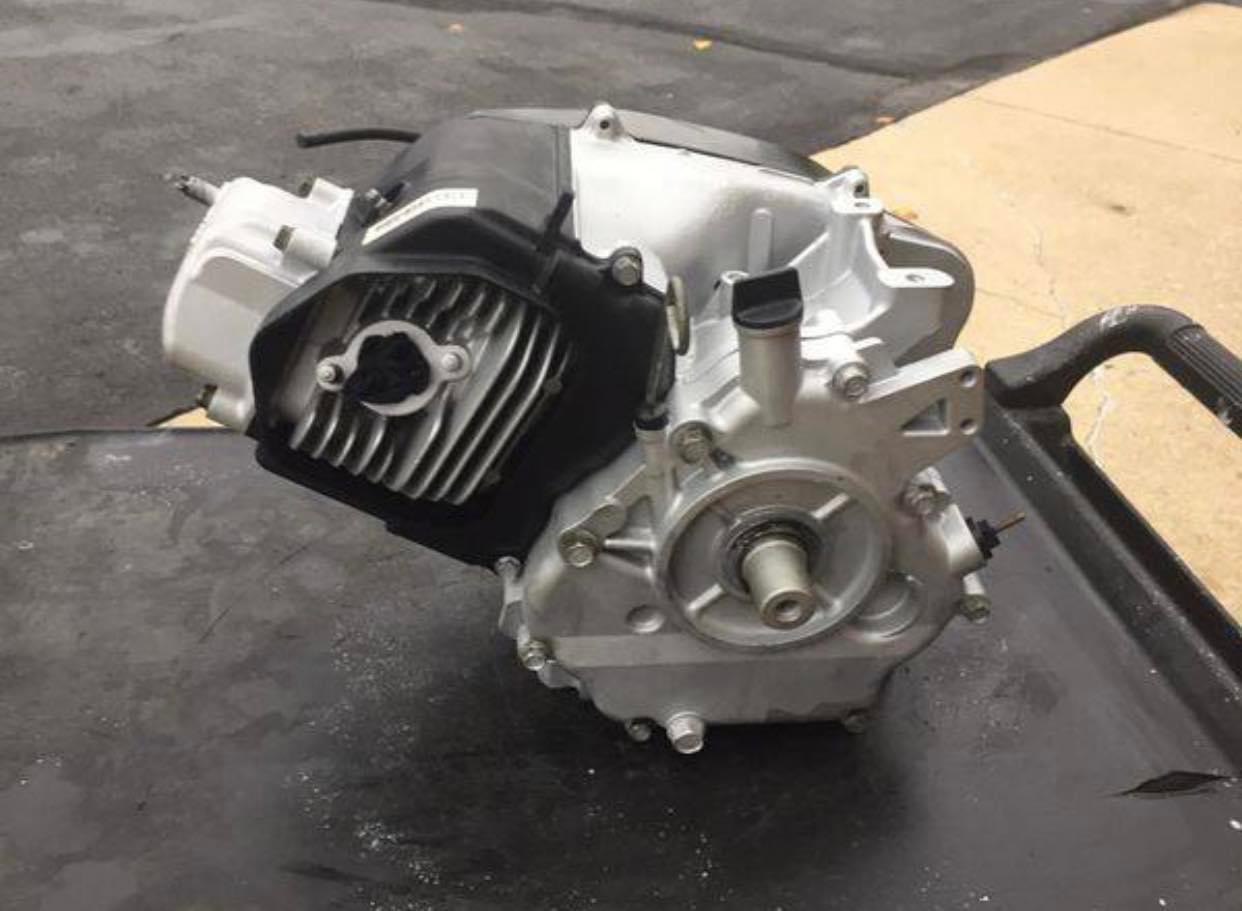
Every round of golf deserves smooth, silent, and dependable motion — and that’s exactly what the Yamaha Golf Cart Engine delivers. Designed with precision engineering, this power unit redefines what reliability feels like on the green. Whether you manage a golf course, own a personal cart, or run a fleet of rental vehicles, Yamaha’s engine brings lasting value through innovation, fuel economy, and seamless operation. Every start feels confident. Every journey feels effortless.
For decades, Yamaha has been synonymous with performance. The brand’s reputation in motorsports, marine systems, and off-road vehicles has always revolved around one principle: engineering excellence. When this expertise finds its way into golf carts, the result is an engine that not only performs—it transforms.Yamaha Golf Cart engine
Yamaha’s golf cart engines combine cutting-edge combustion technology with refined torque distribution to ensure responsive acceleration and optimized fuel efficiency. That means you spend less time refueling and more time gliding over the course.Yamaha Golf Cart engine

Engine design is more than horsepower; it’s about balance. Yamaha understands that golf carts need quiet power rather than raw aggression. The engine integrates a low-vibration mount system, advanced cooling mechanisms, and lightweight aluminum construction to maintain a smooth, balanced ride.
Efficient Power Output: Balanced performance for consistent torque delivery.
Low Noise Operation: Engineered to minimize mechanical noise for peaceful rounds.
Optimized Fuel System: Delivers superior mileage without compromising acceleration.
Durable Construction: Built from corrosion-resistant materials ideal for humid golf course environments.
Eco-Friendly Design: Reduced emissions meet environmental standards without losing strength.
Easy Maintenance: Simplified access to components for quick service and long-term reliability.
From the moment you press the accelerator, the Yamaha engine responds with refined authority. Acceleration is smooth, transitions are natural, and performance remains consistent across varied terrain. Even uphill climbs feel controlled, giving drivers full confidence in every turn.Yamaha Golf Cart engine
Transitioning between slow movements around greens and faster rides across open fairways feels effortless. Yamaha’s precision in throttle response ensures you experience no jerks, no lags—only perfect synchronization between your commands and the engine’s reaction.
Golf courses aren’t always perfect terrain. Sand, grass, water patches, and uneven ground test any cart’s endurance. That’s where Yamaha stands apart. The Yamaha Golf Cart Engine features a sealed bearing system, stainless-steel fasteners, and a high-tolerance piston assembly designed to resist wear even under frequent use.
Whether the engine is operating in hot, dry conditions or damp coastal air, its performance remains consistent. Yamaha’s protective coatings shield internal parts against oxidation, ensuring that even after years of service, the engine delivers near-original output.
One of Yamaha’s biggest advancements lies in its electronic fuel injection (EFI) system. Unlike older carburetor models, EFI precisely meters fuel delivery for optimal air-to-fuel ratios under all operating conditions. That means easier cold starts, cleaner combustion, and more consistent performance at any altitude.
EFI also improves throttle response, translating every press of the pedal into immediate and predictable motion. For golf course managers, this means enhanced energy efficiency across entire fleets. For individual owners, it guarantees a smoother, quieter ride with fewer emissions.
Today’s golf cart engines must do more than just move the cart—they must deliver power efficiently without compromise. Yamaha’s latest engine models employ high-compression combustion that enhances torque at lower RPMs. The result? Better hill-climbing ability, improved energy transfer, and a longer operational range per fuel load.
Combined with precision-machined valves and optimized airflow, Yamaha’s high-compression system ensures that every drop of fuel counts. It’s a smart approach to maximizing performance without overstressing components.
One of the most underrated yet crucial elements of engine design is vibration management. Yamaha addresses this challenge through an advanced counterbalance system. It reduces vibration across the frame, protecting both the chassis and the comfort of passengers.
Drivers experience less fatigue over time, and carts maintain structural integrity even after years of operation. This fine-tuned balance between power and comfort is what makes Yamaha golf carts stand out on any course.
Heat management is critical for longevity. The Yamaha Golf Cart Engine employs a superior air-cooling system enhanced by precision fan blades and heat-dissipating fins. These design improvements ensure stable temperature control, even during continuous operation.
Whether you’re cruising under the summer sun or powering through a busy day at the clubhouse, the cooling system keeps performance reliable and temperatures steady.
Yamaha prioritizes owner convenience as much as mechanical performance. That’s why every golf cart engine is engineered for easy maintenance access. Oil filters, spark plugs, and air filters can be reached without major disassembly, reducing service downtime.
Additionally, Yamaha’s intuitive design includes a self-cleaning air intake system that prevents debris accumulation—a small detail that extends the life of the engine significantly.
Tool-Free Access Panels: Simplify periodic checks and adjustments.
Extended Service Intervals: Fewer maintenance stops without compromising reliability.
Integrated Diagnostics: Some EFI models include onboard monitoring for troubleshooting.
OEM Replacement Availability: Genuine Yamaha parts ensure perfect fit and lasting performance.
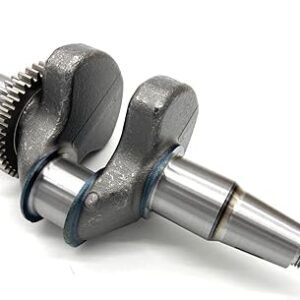
From crankshaft to cylinder head, every component in the Yamaha Golf Cart Engine undergoes extensive testing for strength, precision, and endurance. The use of hardened steel components and advanced lubrication systems ensures years of dependable service.
Moreover, Yamaha’s strict quality assurance processes verify every engine under real-world conditions. That’s how Yamaha guarantees reliability across thousands of operational hours, ensuring your investment lasts.
Modern courses value sustainability. Yamaha delivers it through eco-conscious engine technology that reduces fuel waste and lowers emissions. Every Yamaha golf cart engine meets current environmental standards while maintaining the power golfers expect.
The brand’s commitment to green performance includes advanced combustion chambers, catalytic converters, and fuel-efficient mapping. This not only helps the environment but also improves running costs over time.
With new models continually being refined, Yamaha continues to push innovation forward. Expect hybrid capabilities, extended range options, and even quieter electric-assist engines in future versions. The same DNA of reliability and performance remains constant, but Yamaha’s engineers are always thinking ahead—creating the next evolution in golf cart power.
Even the most advanced engines perform best when cared for correctly. Yamaha designs its golf cart engines with user-friendly maintenance schedules in mind, enabling owners and fleet managers to plan service with minimal disruption. Regular maintenance prolongs engine life, preserves performance, and safeguards fuel efficiency.
Initial Break-in: First 50 hours of operation should include periodic checks for oil levels, air filter condition, and mounting stability.
Oil Change: Every 100–150 hours, or annually, whichever comes first. High-quality oil is recommended to maintain proper lubrication and internal protection.
Air Filter Service: Clean or replace every 100 hours; more frequently in dusty environments.
Spark Plug Check: Inspect every 200 hours to ensure consistent ignition and throttle response.
Fuel System Inspection: Monitor for deposits or leaks every 250 hours to maintain optimal EFI performance.
Full Engine Inspection: Every 500 hours, including valve adjustment, cooling system check, and vibration assessment.
By adhering to these intervals, operators can maximize uptime and minimize costly repairs.
Yamaha’s golf cart engines are designed for reliability, but knowing how to identify and resolve minor issues ensures uninterrupted operation.
Cause: Clogged fuel filter, old spark plug, or low fuel pressure.
Solution: Replace the filter, clean or replace the spark plug, and verify fuel lines.
Cause: Carbon buildup in combustion chamber or clogged air intake.
Solution: Clean intake, inspect EFI injectors, and check throttle calibration.
Cause: Blocked cooling fins or low oil levels.
Solution: Clear cooling pathways, check and top up oil, inspect fan operation.
Cause: Loose engine mounts or unbalanced crankshaft.
Solution: Tighten mounts and verify counterbalance integrity.
With Yamaha’s intuitive design, these troubleshooting steps are straightforward, and OEM replacement parts simplify repairs.
Yamaha understands that some users desire extra performance. Whether for fleet efficiency or personal satisfaction, several upgrade options exist without compromising durability or warranty.
High-Flow Air Intake Kits: Improve combustion efficiency and slightly increase torque.
Performance Exhaust Systems: Reduce backpressure and enhance throttle response.
EFI Tuning Modules: Adjust fuel maps for different terrain or operational requirements.
Cooling System Enhancements: Add auxiliary fans for extreme operating conditions.
Each upgrade respects Yamaha’s engineering integrity, allowing users to boost performance safely.
Yamaha maintains accessory compatibility across multiple engine generations. From premium mufflers to specialized mount kits, owners can enhance their carts with confidence that components will integrate smoothly.
A Yamaha Golf Cart Engine is more than a component—it’s an investment in predictable performance. Users benefit from fewer service interruptions, longer operational periods per fuel load, and consistent torque even after years of use.
Beyond initial reliability, Yamaha engines reduce overall maintenance costs. Fewer breakdowns mean fewer replacement parts. Efficient fuel consumption lowers operational expenses, particularly for fleet operators running multiple carts daily.
Extended Engine Life: Exceeds 3,000 hours under proper maintenance.
Reduced Fuel Costs: Up to 15% more efficient than many aftermarket replacements.
Minimal Downtime: Quick installation and easy maintenance shorten service intervals.
Resale Value: Yamaha-equipped carts maintain higher market value due to trusted performance.
The combination of efficiency, longevity, and resale assurance ensures a superior total cost of ownership.
Modern Yamaha engines include electronic fuel injection systems with diagnostic capabilities. Operators can quickly identify potential issues, monitor performance metrics, and adjust settings as necessary.
This proactive approach reduces the risk of unexpected downtime. Course managers can schedule maintenance before minor problems escalate, preserving uptime across the fleet.
For high-volume operations, optional data logging modules track engine performance over time. RPM, temperature, and fuel consumption histories enable informed decisions about usage patterns, preventive maintenance, and operational efficiency.
Yamaha Golf Cart Engines meet or exceed current environmental regulations, including EPA and CARB standards. The clean combustion system reduces hydrocarbons and particulate matter, making it suitable for environmentally conscious operations.
By selecting Yamaha, owners contribute to sustainable golf course management without sacrificing performance.
The combination of optimized fuel mapping, low-friction components, and precise airflow management ensures minimal fuel waste. Longer operation between refueling translates into reduced fuel consumption and a smaller carbon footprint.
Golf courses running multiple carts benefit significantly from Yamaha engines. Consistent performance across the fleet simplifies training for drivers, reduces the number of maintenance emergencies, and ensures reliable service during peak hours.
Because Yamaha maintains standardized engine designs across several cart generations, parts inventory is easier to manage. Technicians spend less time troubleshooting non-standard engines, translating into labor savings and reduced service downtime.
Standardized components across multiple models.
Consistent torque and performance for variable terrain.
Simplified maintenance schedules.
Reduced replacement part complexity.
Passengers notice the difference. Yamaha Golf Cart Engines operate with minimal vibration and noise. Comfort isn’t just about seat cushioning—it’s about a quiet, controlled, and predictable ride.
Drivers gain confidence through precise throttle response. Whether navigating tight greens or accelerating on open fairways, every movement feels controlled, safe, and intuitive.Yamaha Golf Cart engine
By combining torque consistency with low vibration and optimized chassis integration, Yamaha ensures carts respond accurately to driver inputs. This contributes to a safer, more enjoyable golfing experience for all passengers.
Every Yamaha Golf Cart Engine comes with a manufacturer-backed warranty, providing protection against defects in materials or workmanship. Support services extend beyond initial purchase, offering assistance for troubleshooting, part replacement, and service advice.
Yamaha’s customer support network ensures prompt resolution of issues. Fleet managers and individual owners can access resources including technical guides, certified repair centers, and online troubleshooting support.
Yamaha produces multiple engine configurations tailored to different golf cart models. While all maintain Yamaha’s hallmark reliability, differences in horsepower, torque, and efficiency cater to specific operational needs. Understanding these distinctions allows fleet managers and individual owners to select the ideal engine for their requirements.
Drive2 EFI Models: Equipped with advanced electronic fuel injection, offering smoother starts, better fuel efficiency, and quieter operation. Ideal for both commercial and personal carts.
Drive Series Gas Engines (G29, G22): Optimized for torque and reliability on hilly terrains, combining compact design with high performance.
G2 & G16 Engines: Air-cooled and carbureted, perfect for owners valuing simplicity and easy maintenance. These engines offer steady performance with minimal electronic complexity.
Different Yamaha engines deliver varying levels of horsepower and torque, optimized for their intended application.
| Engine Model | Horsepower | Torque | Fuel Type | Best Use Case |
|---|---|---|---|---|
| Drive2 EFI | 11 hp | 15 lb-ft | Gasoline | Standard and fleet carts |
| G29 Gas | 12 hp | 16 lb-ft | Gasoline | Hills and heavy loads |
| G22 Gas | 10 hp | 14 lb-ft | Gasoline | Everyday use on flat terrain |
| Classic G16 | 9 hp | 13 lb-ft | Gasoline | Easy maintenance and cost efficiency |
This variation ensures that whether you manage a small personal cart or a full fleet, Yamaha offers an engine perfectly matched to your operational demands.Yamaha Golf Cart engine
EFI remains one of Yamaha’s most impactful advancements. By electronically controlling fuel delivery based on engine conditions, EFI ensures:
Consistent acceleration regardless of load or terrain
Improved fuel economy, reducing operating costs
Fewer emissions, contributing to environmental responsibility
EFI engines also require less frequent tuning compared to traditional carbureted models, translating into lower maintenance requirements and improved reliability over time.
Yamaha incorporates counterbalance shafts and dampening mounts to reduce engine vibration. This innovation improves passenger comfort and minimizes wear on engine mounts and chassis components, extending both engine and cart longevity.
Airflow management and fin design have been optimized across Yamaha’s engine line. Improved heat dissipation allows carts to operate at higher loads for longer periods without risk of overheating, even in demanding conditions.
Precision-engineered combustion chambers optimize air-fuel mixing, creating smoother ignition and improved power delivery. This technological detail enhances torque at low RPMs, which is critical for uphill or loaded operation.
“Switching our entire fleet to Yamaha engines was transformative. Reliability increased dramatically, and maintenance downtime decreased by over 30%. Our drivers appreciate the smooth acceleration and quiet operation—essential for our early morning tee times.”
— Mark H., Golf Course Operations Manager
“After installing a Yamaha replacement engine in my 2016 Drive2, the cart feels brand new. Starts every time, climbs hills effortlessly, and the ride is whisper-quiet. The fuel efficiency alone has saved me money over the season.”
— Samantha P., Private Owner
“As a repair technician, I appreciate Yamaha’s design. Components are accessible, service intervals are reasonable, and troubleshooting is intuitive. It’s easy to see why these engines are industry standards.”
— Luis R., Certified Yamaha Service Technician
These firsthand experiences reinforce Yamaha’s reputation for dependable, long-lasting, and user-friendly engines.
Every Yamaha engine component is manufactured to tight tolerances, ensuring consistent performance across units. This precision reduces friction, enhances efficiency, and prevents premature wear.
High-strength aluminum alloys, corrosion-resistant coatings, and hardened steel components combine to create engines that withstand environmental challenges—from coastal humidity to dusty inland courses.
Yamaha designs engines to deliver ample power without adding unnecessary weight. A lighter engine improves cart maneuverability, reduces chassis stress, and enhances overall handling.
Yamaha engines are engineered to work in harmony with existing cart components. From transmissions to braking systems, integration is tested extensively to guarantee performance without compromising safety or comfort.Yamaha Golf Cart engine
Temperature sensors and precision airflow systems prevent overheating, ensuring that engines operate safely under continuous use. Overheating warnings and automatic throttling features in EFI models further protect both engine and passengers.Yamaha Drive2 engine
Counterbalance shafts, low-vibration mounts, and reinforced engine blocks minimize vibrations transferred to the chassis. Passengers experience a smoother ride, and cart components enjoy longer service life.Yamaha golf cart motor
EFI and ignition systems are designed with sealed connectors and high-quality wiring. This prevents corrosion and ensures reliability in various weather conditions.Yamaha Golf Cart engine
Fleet operations rely on predictable performance. Yamaha engines maintain consistent power output throughout the day, even under full passenger loads and extended use. Reduced maintenance downtime ensures fleets are always ready for peak demand.Yamaha golf cart EFI
Individual owners benefit from effortless operation, smooth acceleration, and minimal noise. Whether navigating a hilly course or cruising flat fairways, Yamaha engines provide confidence and enjoyment for all passengers.
High-use environments like resorts require engines that can withstand frequent operation without degradation. Yamaha’s robust design, simple maintenance, and consistent performance make these engines ideal for rental fleets.Yamaha golf cart parts
Yamaha engines are tested to exceed 3,000 hours of operation without major component failure. This ensures long-term reliability for both fleets and private carts.
Advanced EFI and combustion optimization provide up to 15% improved fuel efficiency compared to traditional carbureted engines. Savings compound across multiple carts or extended personal use.
Routine service intervals are simplified and predictable, reducing unexpected downtime and minimizing service costs.