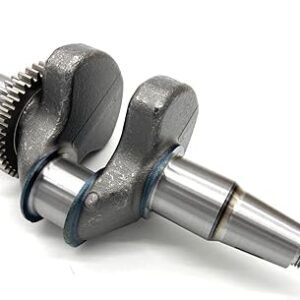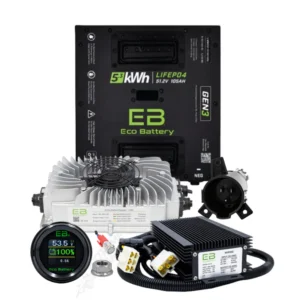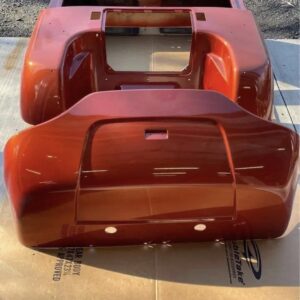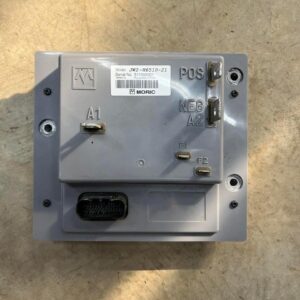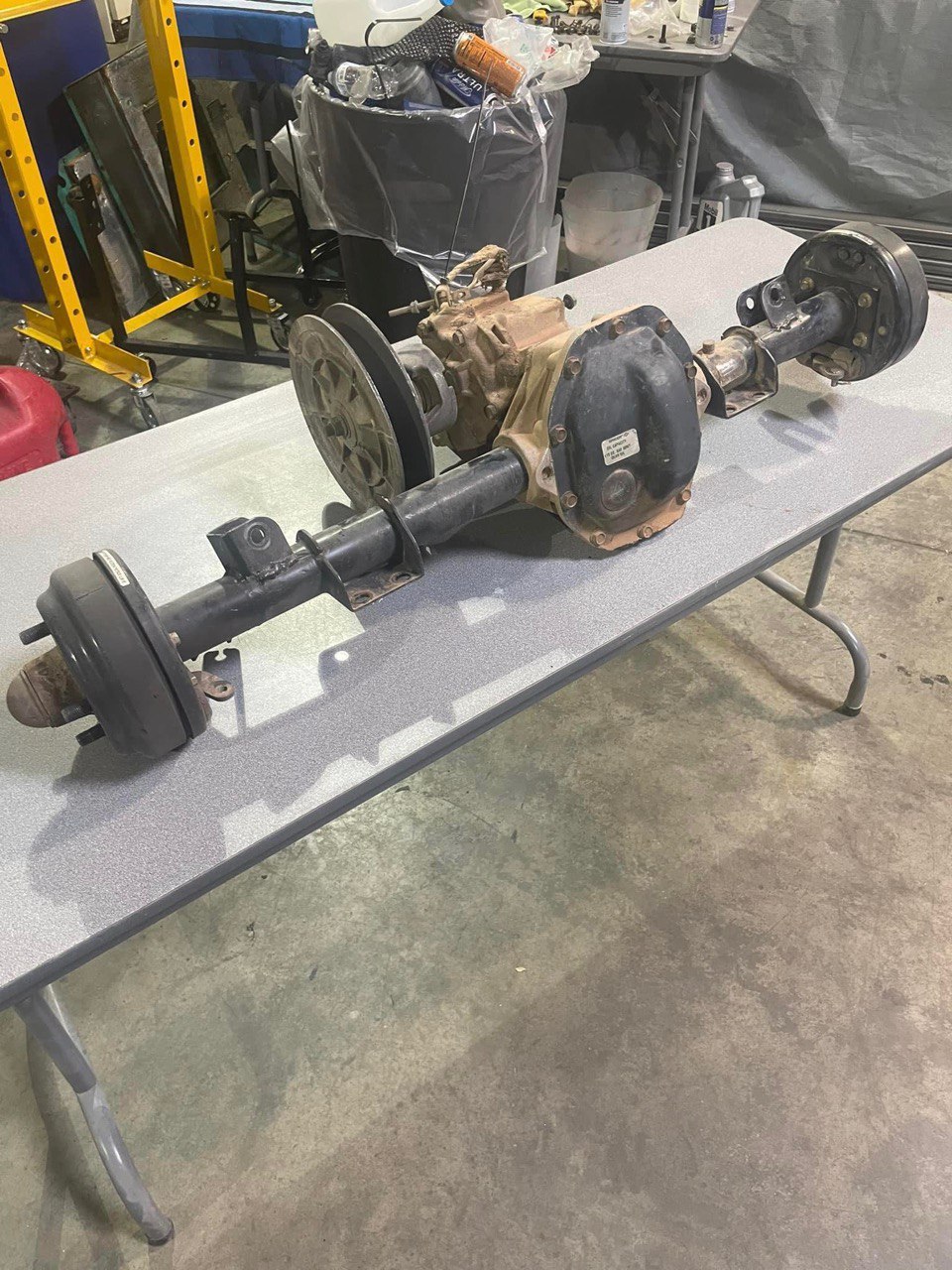
The Yamaha Golf Cart Gas Rear End represents the pinnacle of engineering excellence in golf cart drivetrains. Whether you are an avid golfer, a resort operator, or simply an enthusiast seeking dependable performance, this rear end is designed to meet and exceed your expectations. From precise torque delivery to superior durability, every detail reflects Yamaha’s commitment to quality
Yamaha has engineered this gas rear end with a focus on long-lasting performance. It efficiently transfers power from your engine to the wheels, ensuring smooth acceleration and reliable operation under various terrains. The precision-machined gears reduce wear and tear while maintaining optimal efficiency. Consequently, your golf cart performs consistently, whether navigating a gentle fairway or tackling uneven paths.
High-strength alloy construction: Ensures durability against heavy use and adverse conditions
Precision-machined gears: Offer smoother operation and reduce mechanical wear
Enhanced torque output: Provides reliable power transfer for optimal performance
Corrosion-resistant finish: Extends the lifespan of the rear end, even in humid environments
Easy maintenance design: Simplifies servicing and minimizes downtime
The combination of these features makes the Yamaha Gas Rear End not only robust but also cost-effective over time. Owners benefit from reduced maintenance costs while enjoying consistent performance.
The Yamaha Gas Rear End is designed to handle diverse environments. Its robust design ensures stability on slopes, uneven terrain, and even lightly rough surfaces. Transitioning between fairways and paths is seamless, reducing stress on both the operator and the vehicle. Furthermore, the rear end’s precision engineering enhances fuel efficiency by optimizing power transfer.
Golf cart owners will notice a tangible improvement in ride quality. Vibration is minimized, noise is reduced, and handling becomes more predictable. The design also supports heavier loads, making it ideal for transporting equipment or multiple passengers without compromising performance.
Selecting the right rear end for your golf cart is essential for both performance and longevity. Yamaha’s gas rear end stands out because it combines reliability, strength, and efficiency in a compact design. Unlike aftermarket alternatives, Yamaha’s components are rigorously tested to meet exacting standards.
The build quality of the Yamaha Gas Rear End ensures that every component operates seamlessly. From the hardened gear teeth to the sealed bearings, each element contributes to a smooth, quiet ride. This attention to detail reduces the likelihood of mechanical failure, even under high-stress conditions.Yamaha Golf Cart Gas Rear End
Precision bearings: Reduce friction and wear for longer life
Sealed components: Prevent contamination from dust, dirt, and moisture
Balanced gear system: Maintains consistent performance across varying loads
Owners appreciate the low-maintenance design, as it reduces the need for frequent adjustments or replacements. Consequently, the Yamaha Gas Rear End is a practical investment that pays off over time.
Compatibility is critical when upgrading or replacing a rear end. The Yamaha Gas Rear End is engineered specifically for Yamaha golf carts, ensuring precise alignment and optimal performance. Installation is straightforward, reducing downtime and allowing you to get back on the course quickly.
Direct-fit design: No modifications required for most Yamaha models
Smooth installation process: Simplifies replacement or upgrade
Engineered alignment: Reduces strain on drivetrain components
Because it integrates seamlessly with your existing golf cart, you can trust that the Yamaha Gas Rear End will maintain the vehicle’s original performance standards while enhancing durability.Yamaha Golf Cart Gas Rear End
A high-quality rear end doesn’t just improve performance—it also enhances safety. Yamaha prioritizes stability and handling in the design of its gas rear end. Operators experience predictable responses when accelerating, turning, or navigating inclines. This stability reduces the risk of accidents and provides confidence during every ride.
Stable power delivery: Reduces wheel spin and improves traction
Precision steering response: Ensures accurate handling in tight spaces
Durable construction: Supports heavy loads without compromising safety
By focusing on safety as well as performance, Yamaha ensures that every ride is enjoyable, predictable, and secure. This is especially important for commercial applications, where reliability is critical for both staff and guests.Yamaha Golf Cart Gas Rear End
Maintaining your Yamaha Gas Rear End is simple yet crucial for maximizing lifespan. Regular inspection, lubrication, and cleaning prevent premature wear and extend operational efficiency.
Regular lubrication: Apply high-quality gear oil according to the manufacturer’s schedule
Visual inspections: Check for signs of wear or damage, especially after heavy use
Clean components: Remove dirt, debris, and moisture to prevent corrosion
Torque checks: Ensure bolts and fasteners remain properly tightened
Following these steps keeps your rear end in optimal condition and protects your investment over the long term. Many owners find that consistent maintenance allows their golf carts to perform like new for years.
Precision engineering begins with accurate specifications. The Yamaha Gas Rear End is designed to meet rigorous performance standards while fitting seamlessly with your golf cart. Understanding these specifications helps owners make informed decisions about upgrades, replacements, or maintenance.
Gear Ratio: Optimized for smooth acceleration and maximum torque transfer
Axle Type: Heavy-duty solid steel for durability and load support
Differential: Limited-slip design for improved traction and stability
Housing Material: High-strength aluminum alloy, lightweight yet robust
Sealed Bearings: Minimize friction, extend component life, and reduce noise
These technical details ensure that the rear end performs efficiently under diverse conditions. Whether you are climbing inclines, transporting multiple passengers, or navigating wet terrain, each component works in harmony to maintain consistency and reliability.

Accurate dimensions guarantee a perfect fit and prevent installation complications. The Yamaha Gas Rear End is engineered with precise tolerances, allowing it to integrate seamlessly with Yamaha G2, G9, and similar model golf carts.
Overall Length: Precisely engineered to align with stock frame mounts
Width: Compatible with standard wheelbases without modifications
Mounting Bolt Pattern: Matches factory specifications for quick installation
Drive Shaft Interface: Direct connection with engine output for efficient power transfer
Compatibility extends beyond just physical dimensions. The gear ratios and torque handling are matched to Yamaha’s gas engines, ensuring optimal performance without additional modifications.Yamaha Golf Cart Gas Rear End
Installing a Yamaha Gas Rear End is straightforward with the right preparation. While professional installation is always recommended, knowledgeable owners can follow these steps to ensure proper fit and function.
Socket wrench set
Torque wrench
Gear oil and lubricant
Jack and wheel chocks
Clean rags and safety gloves
Safety First: Ensure the golf cart is on a level surface. Engage parking brakes and use wheel chocks.
Remove Existing Rear End: Disconnect drive shaft and mounting bolts carefully. Keep hardware organized for reinstallation.
Inspect Components: Before installing the new rear end, check axles, bushings, and mounting points for wear or damage.
Align New Rear End: Position the Yamaha Gas Rear End in the mounting location. Ensure the gear input aligns with the drive shaft.
Secure Mounting Bolts: Tighten bolts incrementally using a torque wrench, following manufacturer-specified torque values.
Connect Drive Shaft: Ensure a snug fit and proper alignment to prevent vibration or premature wear.
Fill with Gear Oil: Use the recommended Yamaha gear oil and fill to the proper level.
Test Operation: Slowly rotate wheels manually before starting the engine to verify smooth operation.
Final Check: Start the golf cart and operate at low speed. Listen for unusual noises, inspect for leaks, and verify handling performance.
Following these steps reduces the risk of installation errors and ensures your rear end operates at peak efficiency from day one.Yamaha G2 gas rear end
Even the most reliable rear end may occasionally require attention. Yamaha designs its components for durability, yet identifying issues early prevents costly repairs.Yamaha G2 gas rear end
Unusual Noise:
Possible Causes: Loose bolts, insufficient lubrication, or worn bearings
Solution: Check torque specifications, inspect bearings, and refill or replace gear oil as needed
Excessive Vibration:
Possible Causes: Misaligned drive shaft, worn bushings, or bent axle
Solution: Realign drive shaft, replace damaged bushings, and inspect axle integrity
Fluid Leaks:
Possible Causes: Improper seal installation, worn gaskets, or overfilled gear oil
Solution: Replace seals or gaskets, verify oil level, and ensure proper torque on fasteners
Reduced Traction or Slippage:
Possible Causes: Worn differential, damaged gears, or incorrect gear ratio
Solution: Inspect differential and gears, replace if necessary, verify correct gear specifications
By addressing these issues proactively, owners maintain consistent performance, prevent further damage, and ensure safe operation.
Maximizing the longevity and efficiency of your Yamaha Gas Rear End goes beyond proper installation. Regular maintenance, combined with smart operational practices, enhances performance while protecting your investment.
Use High-Quality Gear Oil: Reduces friction and protects gears from wear
Avoid Sudden Acceleration: Smooth starts reduce stress on the rear end
Monitor Load Limits: Avoid exceeding recommended passenger or cargo capacity
Routine Inspections: Identify wear early and replace components proactively
Clean Regularly: Remove debris from housing and gear teeth to prevent abrasion
Adopting these practices not only extends the life of the rear end but also improves ride comfort and handling under all conditions.
The Yamaha Gas Rear End excels in multiple scenarios beyond casual golf cart use. Its durable design supports both recreational and commercial applications.
Golf Courses: Smooth handling across fairways and rough terrain
Resorts and Hotels: Reliable transport for guests and equipment
Utility Vehicles: Supporting cargo, tools, and heavy-duty attachments
Residential Communities: Efficient transportation in neighborhoods or gated communities
Users report significant improvements in performance, handling, and reliability after upgrading to Yamaha’s gas rear end. Its precision engineering ensures consistent operation, whether transporting equipment, passengers, or both.
Understanding real-world experiences provides invaluable insight into the reliability and performance of the Yamaha Gas Rear End. Owners across golf courses, resorts, and residential communities have shared their experiences, highlighting both durability and enhanced ride quality.
John M., Golf Course Operator:
“Upgrading our fleet to Yamaha Gas Rear Ends transformed operations. Smooth acceleration, minimal maintenance, and remarkable durability—our carts now handle slopes and rough terrain without strain.”
Emily R., Resort Transportation Manager:
“We rely on Yamaha’s precision engineering for transporting guests safely. The rear ends maintain consistent performance even with heavy loads. Installation was straightforward, and staff training was minimal.”
Carlos T., Residential Community Resident:
“I replaced my old rear end with Yamaha’s gas model and noticed an immediate difference. The ride feels smoother, quieter, and more stable. Even my neighbors commented on the improved handling.”
These testimonials illustrate how the Yamaha Gas Rear End enhances efficiency, safety, and enjoyment. Users consistently report lower maintenance demands and improved operational reliability compared to older or aftermarket components.Yamaha Golf Cart Gas Rear End
When selecting a golf cart rear end, it is essential to evaluate performance, durability, and cost-effectiveness. Yamaha’s Gas Rear End consistently outperforms alternatives in multiple key areas.
| Feature | Yamaha Gas Rear End | Leading Competitor Models |
|---|---|---|
| Torque Transfer Efficiency | High, smooth acceleration | Moderate, occasional lag |
| Gear Durability | Hardened alloy, long life | Standard alloy, prone to wear |
| Corrosion Resistance | Advanced coating | Basic protection |
| Ease of Installation | Direct-fit, minimal tools | Modifications often required |
| Maintenance Frequency | Low | High |
| Noise and Vibration | Minimal | Noticeable under load |
Yamaha’s precision engineering ensures optimal gear alignment, smooth power delivery, and minimal operational noise. This translates to a quieter, more reliable ride and fewer maintenance issues over time.
Maximizing the lifespan of your Yamaha Gas Rear End involves consistent care and proactive maintenance. Beyond standard practices, some advanced tips enhance performance further.
Seasonal Gear Oil Change: Replace oil before and after peak usage seasons to maintain optimal lubrication
Bearing Inspection: Check sealed bearings for wear and replace when needed to prevent gear damage
Housing Cleaning: Periodically clean the housing interior to prevent grit accumulation and abrasion
Load Distribution Monitoring: Avoid uneven loading that stresses one side of the rear end
Component Upgrade Awareness: Consider high-performance bearings or reinforced bushings for heavy-duty applications
Adopting these strategies ensures longevity while maintaining Yamaha’s original performance standards. Many users report operational lifespans exceeding a decade when combining regular and advanced maintenance practices.
Yamaha offers upgrade paths to tailor the gas rear end to specific operational needs. Whether you require enhanced torque, improved durability, or better handling in rough terrain, these options allow customization without compromising compatibility.
Heavy-Duty Gears: Ideal for carts carrying heavier loads or equipment
Enhanced Bearings: Reduce friction further and extend maintenance intervals
Differential Lock Kits: Improve traction in slippery or uneven terrain
Reinforced Housing Options: Provide additional protection for off-road or high-stress conditions
Upgrades can be combined for maximum efficiency and performance. Each enhancement maintains compatibility with Yamaha golf carts, ensuring a seamless integration process.Yamaha Golf Cart Gas Rear End
Providing answers to common questions helps owners make informed decisions and reduces downtime.
A1: Signs include unusual noise, increased vibration, difficulty in accelerating, or oil leaks. Routine inspection ensures early detection and prevents costly repairs.
A2: While installation is straightforward with basic mechanical knowledge, professional installation is recommended for optimal alignment and safety.
A3: Regular lubrication, periodic inspections, cleaning, and torque checks are essential. Advanced maintenance strategies further extend longevity.
A4: It is compatible with most G2, G9, and similar Yamaha gas models. Always verify dimensions and gear ratios with your cart model before purchase.
A5: With proper maintenance, many users report operational lifespans exceeding 10 years. Heavy-duty applications may require upgrades for optimal performance.
The combination of precise engineering, ease of installation, durability, and performance makes Yamaha Gas Rear Ends a preferred choice for both recreational and commercial users. It is a product that balances efficiency, reliability, and safety, offering unmatched value.
Reliable Performance: Smooth acceleration and consistent torque transfer
Durability: Hardened gears, reinforced components, and corrosion-resistant housing
Ease of Installation: Direct-fit design ensures a seamless upgrade or replacement
Low Maintenance: Designed to minimize routine servicing while extending lifespan
Customizable Options: Tailor upgrades to your specific operational needs
Yamaha’s commitment to quality and innovation ensures every rear end delivers the performance and reliability that customers expect.
Smooth Acceleration: Avoid abrupt starts, which reduce wear on gears and bearings.
Monitor Load: Even distribution of passengers or cargo minimizes stress on one side of the rear end.
Check Tire Alignment: Proper alignment reduces uneven strain and vibration, improving both handling and lifespan.
Listen for Unusual Sounds: Early detection of noises such as grinding or whining prevents more severe damage.
Consistent attention to daily operational practices ensures that your Yamaha Gas Rear End performs reliably across a variety of terrains.
Even the most durable rear end may occasionally present issues. Recognizing common scenarios and addressing them promptly is key to maintaining optimal performance.
Symptom: Grinding or whining when accelerating
Potential Causes: Misaligned drive shaft, worn gears, or insufficient lubrication
Solution: Inspect alignment, refill or replace gear oil, and examine gear teeth for wear
Symptom: Noticeable vibration during movement
Potential Causes: Worn bushings, bent axle, or loose mounting bolts
Solution: Tighten bolts, replace damaged bushings, and inspect axle integrity
Symptom: Oil pooling under the rear end
Potential Causes: Damaged seals, overfilled gear oil, or loose fasteners
Solution: Replace seals, adjust oil level, and re-torque fasteners according to specifications
Symptom: Slipping or difficulty moving on slopes
Potential Causes: Worn differential or damaged gears
Solution: Inspect and replace worn components, verify correct gear ratios, and consider differential upgrades
Adapting care routines to seasonal changes significantly extends the life of your Yamaha Gas Rear End. Extreme weather conditions, humidity, and temperature fluctuations can impact performance.
Monitor Fluid Levels: High temperatures may increase oil expansion; check regularly.
Inspect Seals: Heat can compromise seals, leading to leaks.
Lubricate Moving Parts: Ensure gears and bearings remain properly lubricated.
Prevent Freezing: Drain or use low-viscosity oil to avoid thickening in cold conditions.
Check Corrosion Protection: Winter salt and moisture can accelerate rust; clean and inspect components.
Store Safely: Elevate carts or use protective covers to minimize exposure.
Seal Inspections: Ensure all seals are intact to prevent water ingress.
Regular Cleaning: Remove mud, debris, and water to avoid contamination.
Lubrication Checks: Water can wash away grease; reapply as necessary.
By tailoring your maintenance practices seasonally, you reduce wear and maintain smooth operation year-round.
Going beyond basic care, advanced techniques ensure the Yamaha Gas Rear End operates at peak efficiency.
Use high-performance gear oils that match Yamaha’s specifications.
Apply synthetic oils for extreme temperature conditions.
Periodically inspect oil for metal particles, indicating wear or impending component failure.
Avoid exceeding maximum passenger or cargo weight to reduce strain on the rear end.
Use evenly distributed loads to maintain balance and stability.
For commercial applications, rotate carts regularly to distribute wear across the fleet.
Smooth Terrain Transition: Gradually adjust speed when moving from smooth fairways to rough terrain.
Gear Ratio Awareness: Understand the impact of gear ratios on torque and fuel efficiency.
Noise Minimization: Periodic inspections and lubrication reduce mechanical noise, creating a quieter, more enjoyable ride.
Purchasing a Yamaha Gas Rear End requires consideration of compatibility, performance needs, and long-term value. This guide ensures informed decision-making for both first-time buyers and experienced operators.Yamaha G9 gas rear end
Identify your Yamaha golf cart model (G2, G9, or other compatible models).
Confirm axle type, gear ratios, and mounting dimensions.
Consult Yamaha specifications to ensure a direct-fit installation.
Determine typical passenger and cargo loads.
Evaluate terrain types (fairways, slopes, rough paths).
Decide if upgrades such as heavy-duty gears or enhanced bearings are necessary.
Review recommended maintenance intervals and operational practices.
Factor in seasonal care requirements.
Explore extended-life components or protective coatings for added durability.
Compare cost versus lifespan and performance benefits.
Consider the reduced maintenance and downtime benefits of Yamaha’s high-quality rear end.
Factor in potential upgrades for specialized applications.
Consult Yamaha-certified technicians for installation and troubleshooting guidance.
Review user testimonials and case studies to gauge real-world performance.
Following these steps ensures that your purchase not only meets immediate operational needs but also provides long-term reliability and value.Yamaha golf cart rear axle
| Options | G16, G19, G22 |
|---|---|
| Brand | Yamaha rear gas end |